Drought paradox study reveals plants around Colorado River turn to groundwater when it gets too hot and dry, reducing flow into the already strained basin
By Brian Owens
Published on March 18, 2026.
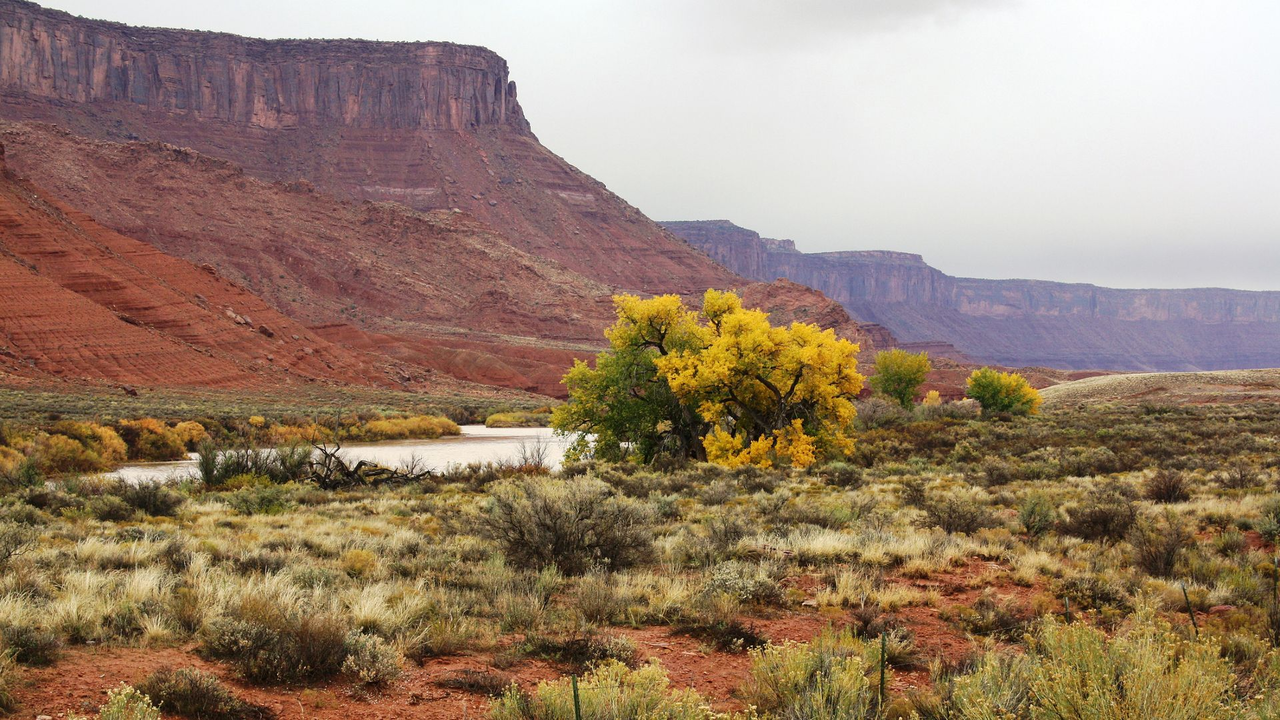
A study by Princeton University has revealed that plants around the Colorado River are turning to groundwater when it becomes too hot and dry, reducing flow into the already strained basin. The findings could have implications for water management in regions that rely heavily on snowmelt for their water, such as Arizona and California. The researchers found that plants were using groundwater reserves when soil moisture was low, reducing the need for hot, dry conditions. This shift is part of a "drought paradox" where plants maintain or increase transpiration during dry periods. The study also found that increased evapotranspiration brought on by higher temperatures is contributing to reduced river flows. Over the past seven years, water flow in the basin has dropped by 35%.
Related Articles

CAQM ETF reviews air pollution enforcement; emphasises stricter inspections and compliance in NCR
The 127th CAQMETF reviewed air pollution enforcement in the NCR, emphasizing stricter inspections, enhanced agency coordination, and corrective measures for violations.

Wildlife Photographer Snaps 'Surprisingly Humorous' Moment Lion Cub Needs to Nap After a Big Meal
Wildlife photographer Johan J. Botha captured a rare photograph of a lion cub resting peacefully after a big meal, highlighting both species' food comas and human-like behavior.

Momentus To Support NASA Solar Sail Flight Opportunities Study - Momentus (NASDAQ:MNTS)
Momentus will support a NASA solar sail mission, potentially leading to a follow-up, amid broader market declines, with its stock trading near 52-week lows.