In people with epilepsy, sleeping after a seizure may trigger more seizures
By Kamal Nahas
Published on March 9, 2026.
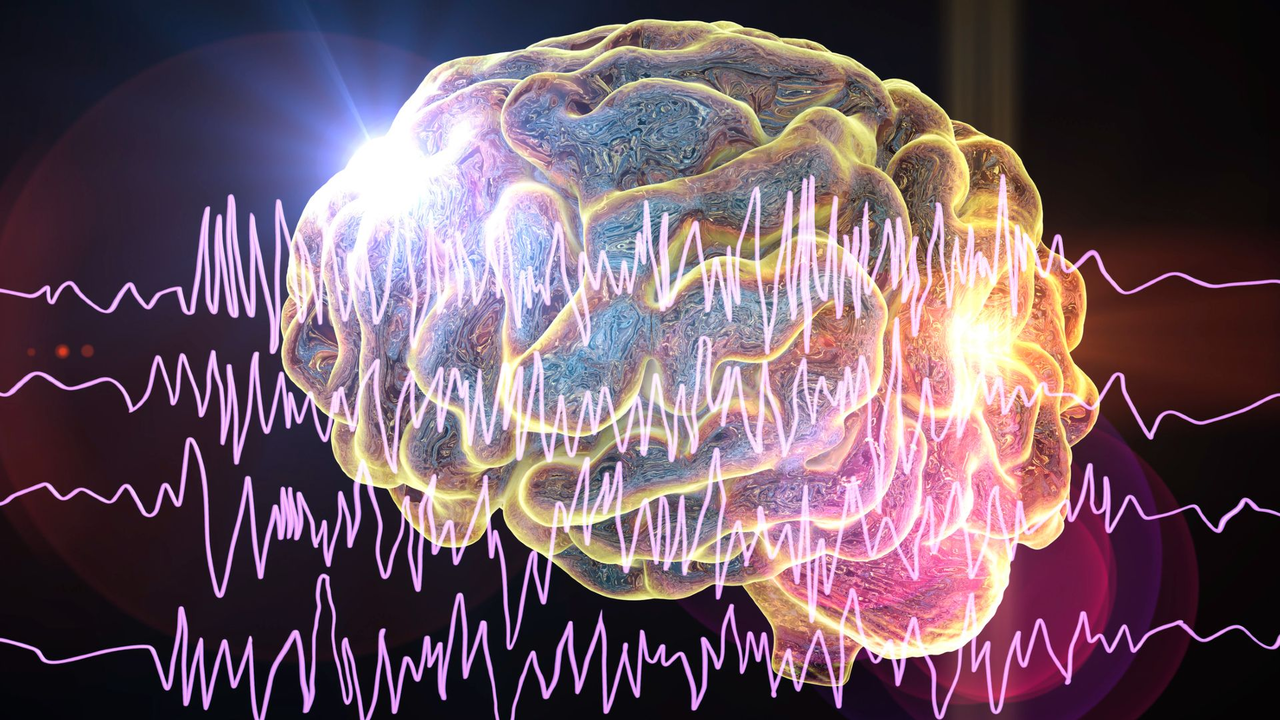
A new study suggests that sleep could trigger epileptic seizures in the brain by repurposing the processes used to solidify memories, potentially making seizures harder to treat or prevent. The researchers suggest that electrical stimulation could be used to prevent brain from "memorizing" the seizure. The study involved participants with drug-resistant epilepsy who were implanted with deep brain stimulation devices and an investigational seizure advisory system that records brain signals but does not attempt to interrupt seizures. The team found that people slept 24 minutes longer on nights following seizures, yet not all stages of sleep were prolonged. The findings could help test whether changing sleep-related brain activity after a seizure reduces the chance of future seizures.
Related Articles

Jeffrey Dahmer’s Mom Told Forensic Psychologist That Serial Killer Son ‘Never Tried to Hurt Anybody’
Jeffrey Dahmer’s mother testified that the serial killer didn’t intend to hurt anyone, despite his violent tendencies, according to forensic psychologist Eric Hickey.

Idaho House Committee advances bill to repeal voter-approved medicaid expansion
The Idaho House Health and Welfare Committee voted 10-6 to repeal Medicaid expansion, effective January 1, 2028, amid concerns over long-term costs and job losses.

Pedestrian dies a day after being struck at an intersection in N.J. city
A pedestrian was killed by a car at a South Jersey intersection, prompting police to issue multiple traffic warnings.