Why Pilots Say Roger, and Why It Still Matters
By Milos Komnenovic
Published on March 27, 2026.
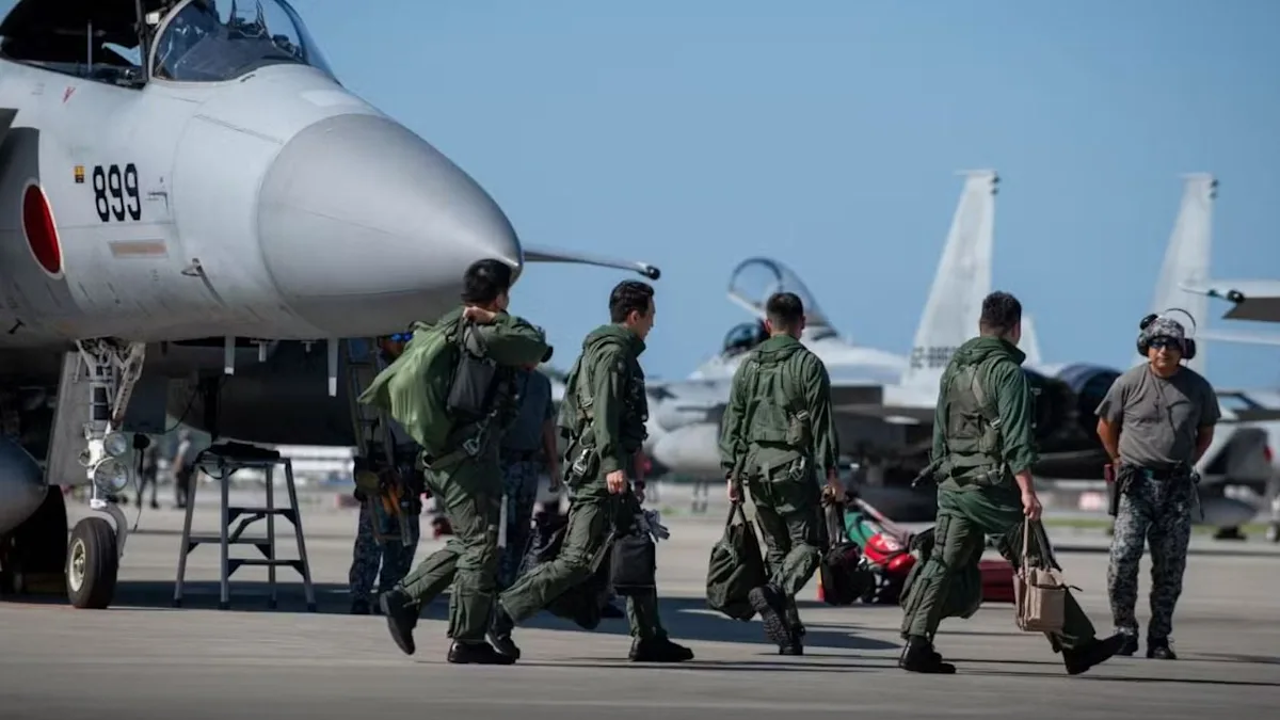
The term "Roger" has been a key aviation term since its origins in the early days of radio communication, when it was used to confirm that a message had been heard. The word originally stood for the letter R, meaning "received" and "received". It was widely used in early military and civil spelling alphabets, which used spoken code words for each letter. Early U.S. and allied radio procedure helped cement the term, and it remained popular through World War II. Roger became one of the most recognizable words in aviation language, even after it disappeared from the official spelling alphabet. The final ICAO radiotelephony spelling alphabet was implemented in 1956, giving us today’s Alfa, Bravo, Charlie, and Romeo. In modern aviation phraseology, Roger does not simply mean “yes” but does not mean the pilot will comply with the instruction, but it confirms receipt, not execution. Aviation continues to prefer more precise terms such as “affirmative” for yes and “negative”
Related Articles

The Exact Amount of Coffee That Lowers Stress (It's More Than You Think)
A study reveals that moderate coffee consumption can lower stress, though its specific benefits depend on its Caffeine content being mixed.
7 British Royal Wedding Dresses That Broke Tradition, from Queen Victoria's Unusual Dress Color to Princess Beatrice's Upcycled Gown
British royal weddings have traditionally featured traditional British brides wearing traditional dresses like Queen Victoria's unusual white wedding dress and Princess Diana's elegant, understated gowns.
Polka dots are *the* pattern of the season
Polka dots are trending well, and now, they're being showcased in luxury, affordable jeans available for sale in London.