2 Neanderthals present at same Siberian cave 10,000 years apart were distant relatives, 110,000-year-old bone reveals
By Aristos Georgiou
Published on March 26, 2026.
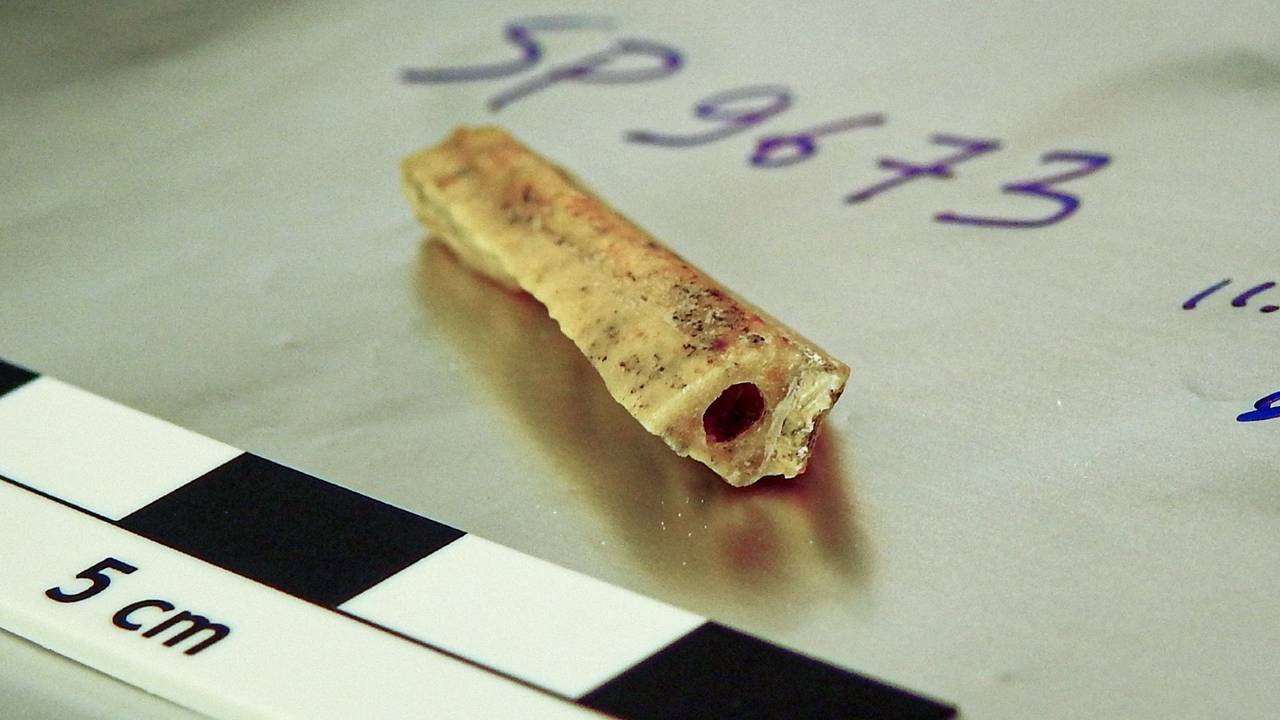
A 110,000-year-old bone fragment from the Altai Mountains in Siberia has revealed that two Neanderthals present at the same cave site 10 millennia apart were distant relatives. The bone fragment also yielded the fourth full genome of a Neanderthal. Researchers compared the genome of D17 with the genome from a female Neanderthal dated to 120,000 years ago, which was found to be closely related to D5. This suggests that Neanderthal populations from eastern and western Eurasia became genetically different from each other within a relatively short time frame and within a small geographic area. The study also revealed that Neanderthans in the Altia region lived in very small and highly isolated populations of 50 or fewer people, with stronger genetic markers of inbreeding. The research supports previous studies showing that Neanderthropals lived in smaller and more isolated groups than our own species did.
Related Articles

Salmon sperm to bird droppings: The science behind bizarre skincare rituals
Bizarre skincare rituals like salmon sperm injections and bird droppings enhance skin texture, hydration, and may even improve skin condition, though scientific research is limited.

Binge all five seasons of Star Trek: Lower Decks for just $2.99 a month
Paramed Plus offers a deal to binge all five seasons of Star Trek: Lower Decks for $2.99 a month, including extensive Star Trek content.

Humpback whale still in the water off Germany's coast
A humpback whale stranded on a sandbank for nearly a week is still unresponsive, despite recent efforts, according to experts.