Using options to play a long-term shift into nuclear energy resulting from Mideast war
Published on March 16, 2026.
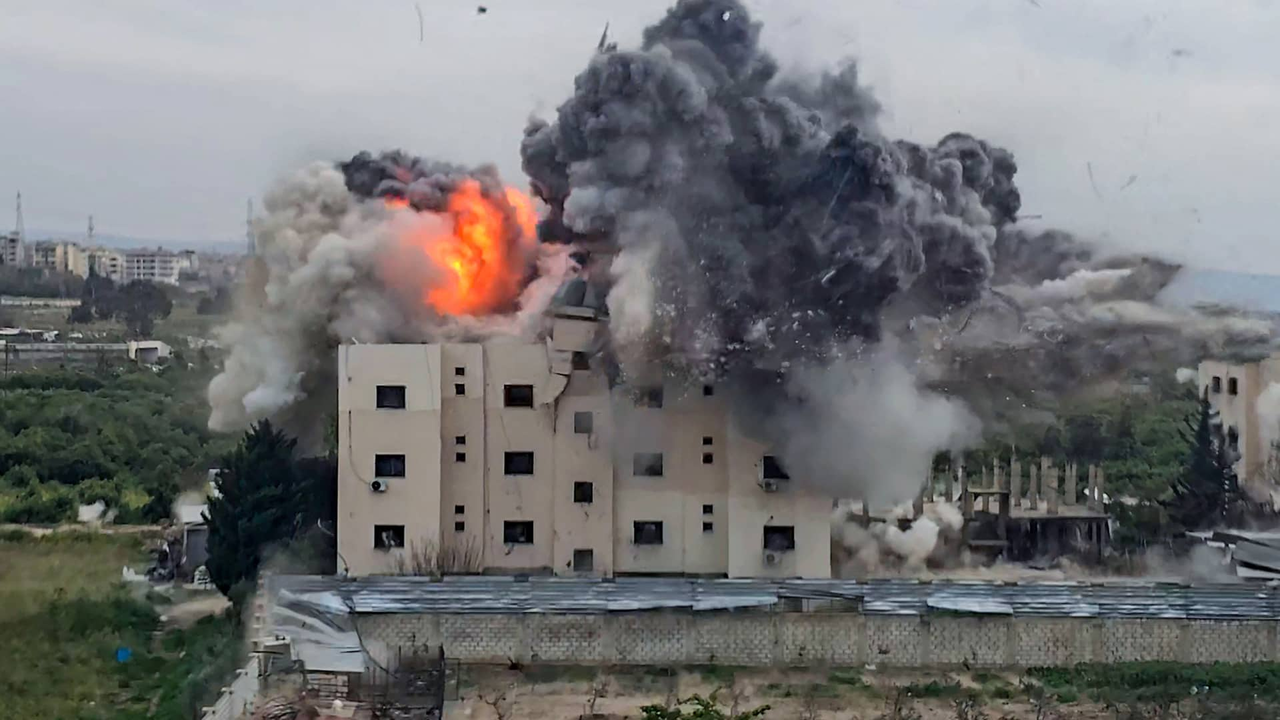
The U.S.-Iran war has fundamentally altered the security landscape in the Middle East, with Iran's strategy shifting from direct military engagement to geographic and economic horizontal escalation. This shift in strategy could influence the strategies of nations around the world, encouraging or encouraging economic warfare, encouraging nuclear proliferation, or delaying nuclear proliferation. The long-term impact of this action will be known many years later, as historians track how it shapes policy elsewhere. The implications of this conflict can be assessed using probabilistic scenario analysis. The "Hormuz Leverage" of Iran has effectively closed the Strait of Hormuz, leaving commercial insurance largely unavailable and Iran has shown a willingness and ability to strike ships transiting the Strait. The elevation of Supreme Leader Ali Khamenei signals regime continuity, despite rumors that he is injured. It is possible that an "Iran in chaos" similar to Libya post-Gaddafi, Iraq post-Saddam, Syria post-Assad, or even Venezuela post-Maduro emboldened the administration. The West's involvement in the conflict may incentivize Iran to win the West's high-cost regional war.
Related Articles
Jared Kushner's new fund raises old questions
Jared Kushner's Affinity Partners raised funds from Middle Eastern sovereigns, but faces conflict of interest as it premarkets its second fund.
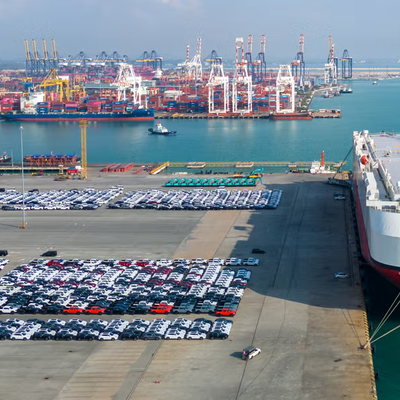
Automakers Have Revealed Just How Much Trump's Tariffs Are Costing Them
The Trump administration's tariffs have cost automakers $35.4 billion since 2025, with Toyota hardest hit and uncertainty affecting production plans.
BBC Officially Files Motion to Dismiss Trump’s $10 Billion Defamation Lawsuit
The BBC has filed a motion to dismiss President Trump’s $10 billion defamation lawsuit, citing lack of jurisdiction and coverage.