Human Anatomy Textbooks Hide an Uncomfortable Truth About Bodies
Published on March 30, 2026.
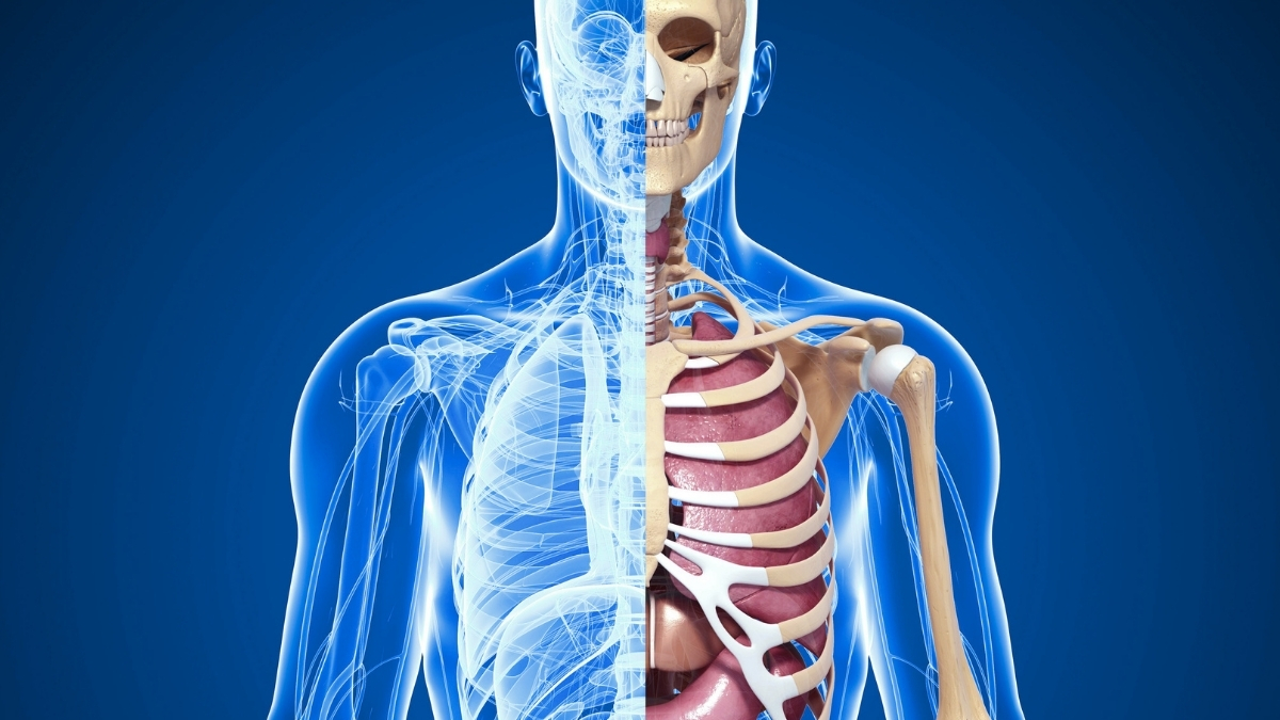
The author argues that textbooks present the human body as a complete, comprehensive anatomy, as though it is already fully mapped and fully explained. Since the publication of De Humani Corporis Fabrica by Andreas Vesalius in 1543, the first comprehensive anatomy book based on direct observation of human dissection, was established by Vesalious. However, the author argues, much of the anatomy was influenced by cadavers obtained through grave robbery, often from the poor, institutionalised, and those without family protection or financial means to guard graves. The author also criticises textbooks for creating a "typical" body for teaching, but acknowledges that human anatomy varies across a wide biological range of variations, including differences in blood vessels, muscles, and brain folding patterns from person to person. Advances in anatomical study have led to a renaissance, with new imaging techniques, increased awareness of anatomical variation, and structural structures being re-examined. Understanding anatomical diversity is central to the study of medical imaging and diagnosis, and the study itself is also crucial.
Related Articles

Escaped kangaroo found after three days on the loose in Wisconsin
A kangaroo escaped from a Wisconsin petting zoo by jumping over an 8-foot fence, prompting a major search and recovery effort.

Trump convenes "God Squad" to override Endangered Species Act, up oil production
The Trump administration is convening the “God Squad” to override Endangered Species protections in the Gulf of Mexico, citing national security concerns.
Scientists Just Upended a 300-Year-Old Law of Physics
A study reveals that the 300-year-old law of friction for magnetic materials fails to predict interactions, potentially improving micro- and nano-devices.