Home run or strikeout: the weather can be the gamebreaker
Published on April 12, 2026.
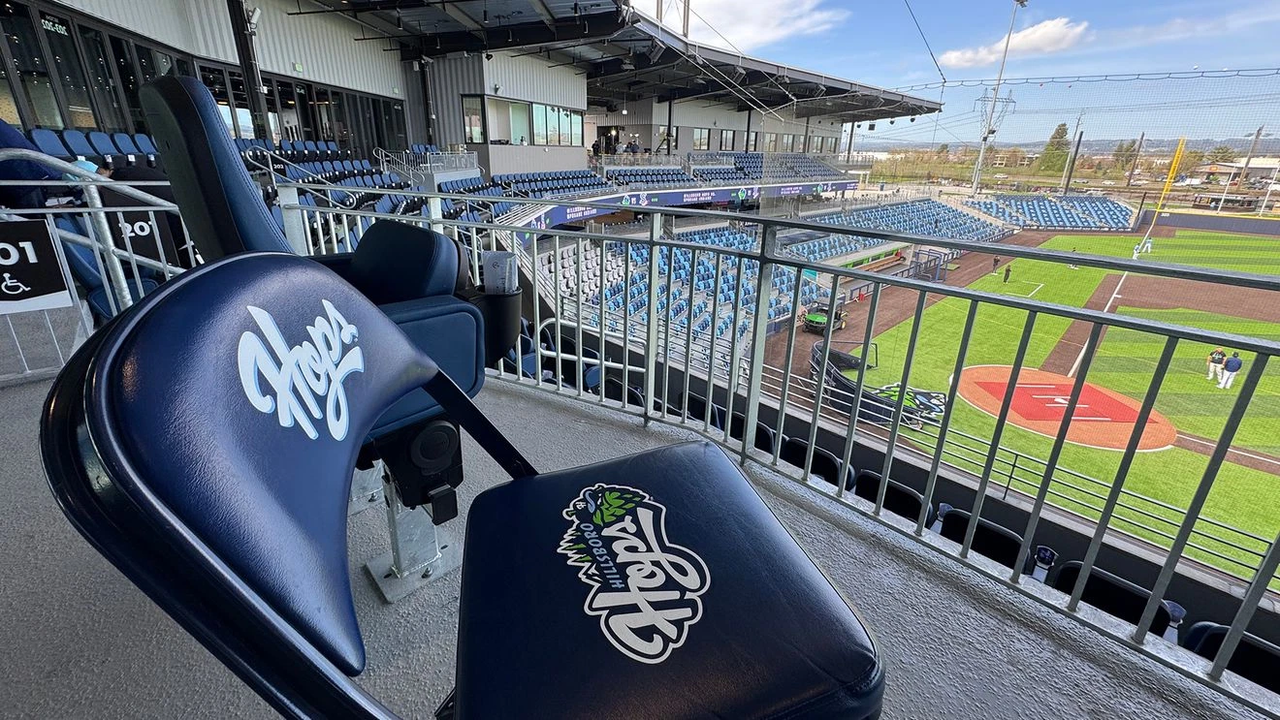
The weather can affect the outcome of a baseball game, with a 1 degree Celsius increase in the daily high temperature on the day of a game played in a stadium without a dome increasing the number of home runs by nearly 2%. This is based on the Parcel theory, where warm air rises due to its lower density than cooler air. Higher temperatures mean lower air density, which means less drag for curveballs and sliders, and for fastballs, this means the ball travels faster due to less drag. However, lower temperatures have higher air density which increases drag, which increases the “Magnus effect” which affects the curve of a ball and its trajectory. Wind plays a significant role in both pitched and batted balls, with headwind increasing the pitch's velocity and aiding pitchers and hitters alike. Major League Baseball has started using Weather Analytics technology to measure how weather affects the outcomes of games.
Related Articles

What Rangers can learn from three franchises heading to playoffs after turnarounds
The NHL playoffs will see significant team changes, with notable successes like Boston, Buffalo, and Utah, highlighting the importance of strategic player acquisitions.
Unsettled Weather Continues Across Kern County This Weekend
A storm system is causing mixed reactions in Kern County, with heavy snowfall and strong winds affecting local life.

Brewers expect 'bad news' after Christian Yelich hurts hamstring vs. Nats
The Milwaukee Brewers expect bad news for Christian Yelich after he was injured with a hamstring strain during a loss to the Washington Nationals.