A history of the Maya: The myth of 'collapse'
By Pablo Mumary
Published on March 15, 2026.
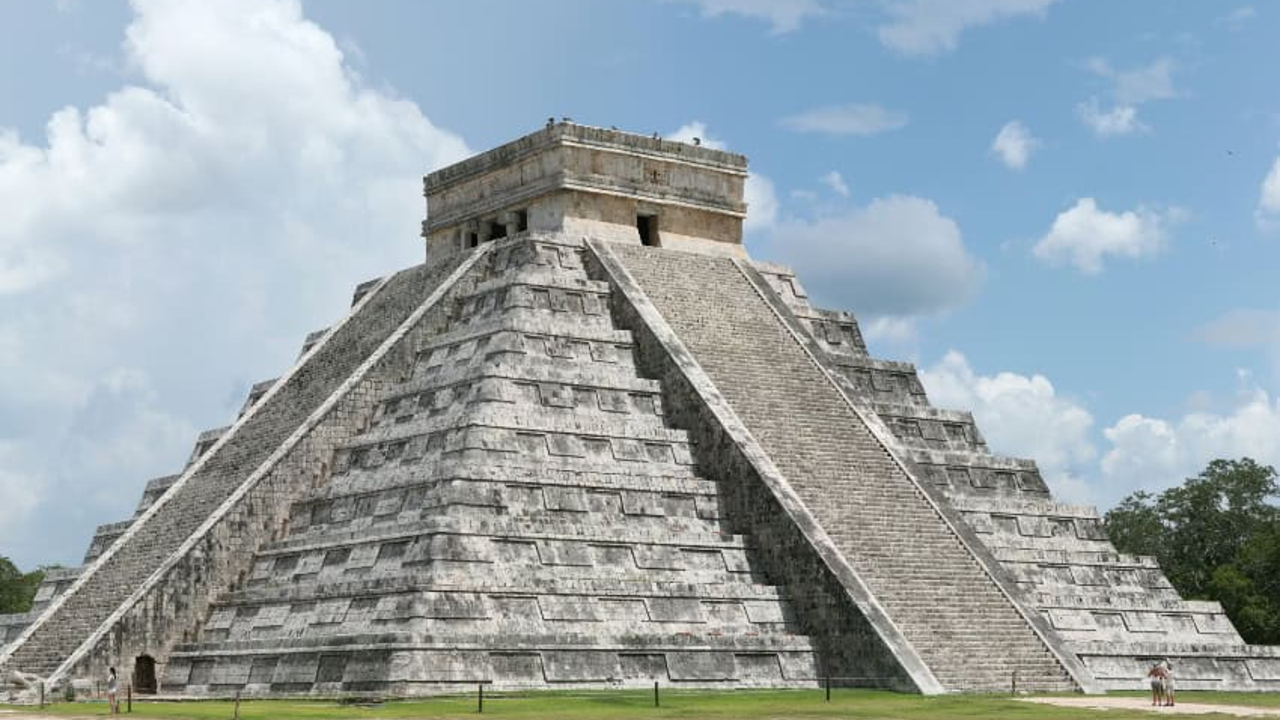
The Postclassic period, which spans from A.D. 1000 to the fall of the last Maya political capitals of the Highlands around 1524, has been misunderstood as a process of decline. This was not the end of Maya culture, but the exhaustion of a specific model of rule: that of the sacred lords, or k’uhul ajaw. In their place, more pragmatic regimes emerged, along with corporate power structures and an economy that specialized in long-distance maritime trade. This transition demonstrated the Maya's ability to adapt to environmental, political and social crises. The transformation of the Maya Lowlands was caused by environmental changes and shifts in power structures, which led to massive social displacement towards two key geographic regions: the Northern Lowlands, on the Yucatán Peninsula, and the Highlands, in the present-day territories of Guatemala and Chiapas. The fall of sacred rulers was a phenomenon driven by different causes, including environmental changes, prolonged droughts, and agricultural losses.
Related Articles
Pot Roast Is More Affordable When You Swap Beef Chuck For This Cut Of Meat — Your Family Will Never Know The Difference!
Pork shoulder is a cheaper alternative to beef, offering superior flavor and lower cost, while adding additional seasoning to enhance your cooking.
A biography of Judy Blume celebrates the author and reveals new details of her life — and she wants nothing to do with it
A biography of Judy Blume reveals details of her life, influenced by personal experiences, and explores her literary journey through turbulent childhoods and later adulthood.

Emotional Golden Retriever's Reunion With Dad Has Everyone Melting
A heart-tugging video shows Wally's emotional wait for his dad's return, highlighting how close a golden retriever bond can become.