The Strait of Hormuz is about more than just oil. It feeds 100 million people
By Eleni Giokos
Published on March 21, 2026.
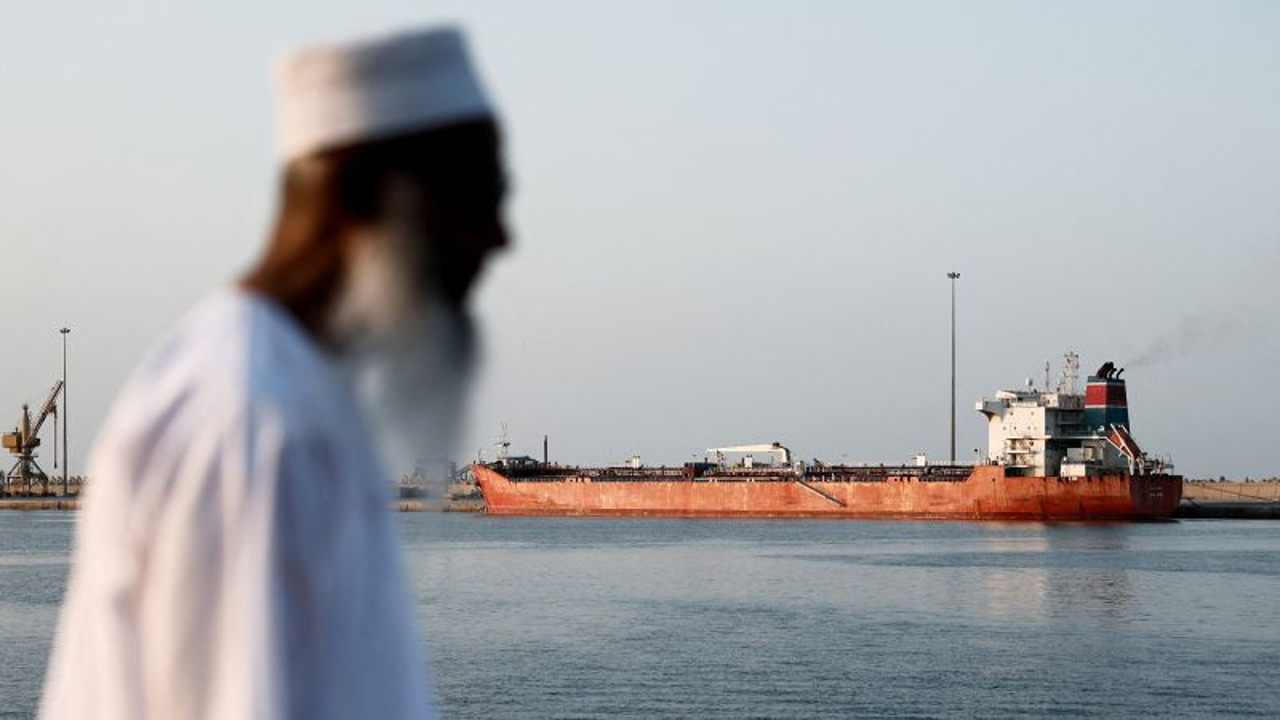
The United States and Israel's war with Iran is affecting food supply in the Persian Gulf, where the Strait of Hormuz carries around 20% of the world's supply. The waterway is a lifeline for more than 100 million people, with Saudi Arabia importing over 80% of its food, the United Arab Emirates, and Qatar importing around 90% of their food. Most of these imports come from abroad, and Iraq imports about 98%. Most of its imports pass through the Strait, despite its access to two major rivers. With the waterway effectively closed, food shippers are scrambling to find alternative routes, which are costlier and logistically strained, raising the prospect of higher prices and reduced choice for consumers. The World Food Programme (WFP) has warned that supply chains may be in the midst of the most severe disruption since Covid-19 and the start of the Ukraine war in 2022. The cost of insurance has also increased, with insurers and shipping companies charging $4,000 to $9,000 per container for “subtime clauses” that protect ships from entering dangerous territories and allow ships to choose a dropoff port for shipments.
Related Articles
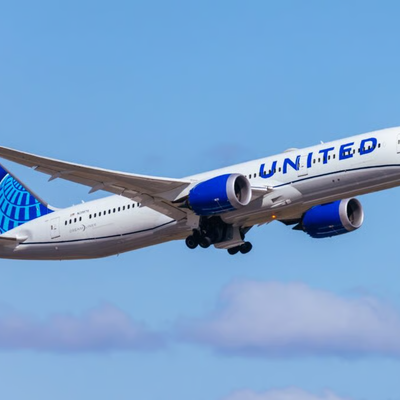
United Airlines Slashes Flights By 5% As Iran War Spikes Fuel Costs— CEO Scott Kirby Warns Of $175 Oil Scenario - American Airlines Group (NASDAQ:AAL), Delta Air Lines (NYSE:DAL)
United Airlines will cut capacity by 5% amid rising fuel costs and operational challenges from the Iran war, despite strong travel demand.

How Pokémon Go players helped train AI delivery robots
Civil rights leader Dolores Huerta alleges Cesar Chavez sexually assaulted her, while the US sends thousands more troops to the Middle East.

Interview: China's innovation, partnerships drive future growth, Audi strengthening localization, says CEO
Audi's CEO Gernot Doellner emphasizes China's rapid technological innovation and market potential, emphasizing local collaboration and diversification, while emphasizing global market growth and regional integration.