Hormuz chokepoint: Are record oil prices good for Africa
Published on April 1, 2026.
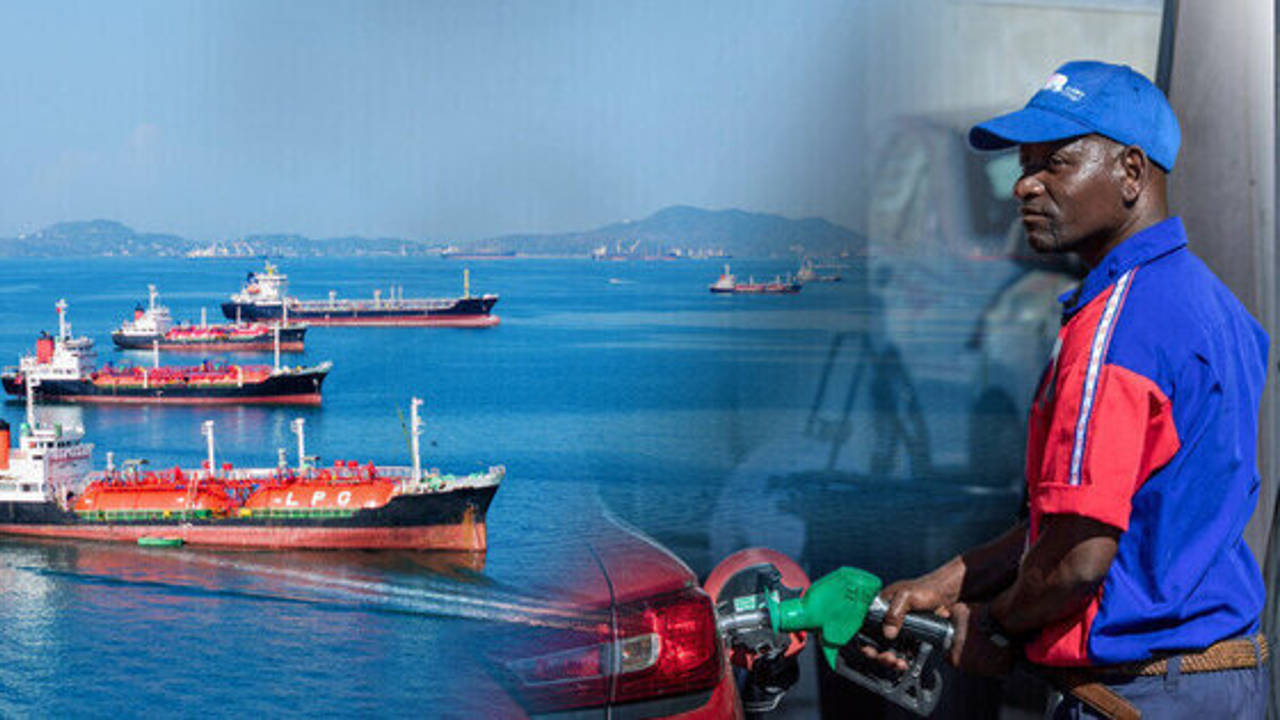
The US and Israeli strikes on Iran and the Strait of Hormuz have implications for Africa, extending beyond politics in the Middle East. This has highlighted Africa's structural dependence on global commodity markets. Most African countries are deeply integrated into global trade and lack a robust industrial base to absorb shocks. The war in Iran has already triggered significant volatility in the oil markets, with Brent trading trading at around $95 per barrel. Africa's vulnerability is exacerbated by the structure of its economy, which lacks a developed industrial base and sufficient processing capacity. The African Export-Import Bank estimated that Africa incurs additional annual costs of about $30 billion for importing petroleum products due to inadequate refining capacity. An increase in oil prices almost automatically increases costs on petroleum products - gasoline, diesel, heating oil, and jet fuel. This will impact net fuel importers, particularly those accounting for about two-thirds of GDP in Sub-Saharan Africa. However, the potential benefits of high oil prices can be underestimated given the scale scale of resource rents and foreign companies.
Related Articles

Walmart's new partnership brings iconic beauty brand to stores
Walmart has partnered with La Roche-Posay to expand its skincare range, training pharmacists and making award-winning formulas more accessible.

Most Gulf stocks subdued amid escalating conflict
Golmese stock market indexes were subdued as investors assessed escalating regional tensions following Iranian attacks on Gulf petrochemical plants, while OPEC+ agreed to raise production quotas.

Bitcoin Prepping New Lows, Trader Warns as Bollinger Bands Tighten
A trader warns of hidden price weakness in Bitcoin, predicting a significant drop as Bollinger Bands tighten, causing inconsistent volatility and weak support.