Debt-burdened Europe has fewer options to buffer energy shock
By Yoruk Bahceli
Published on March 13, 2026.
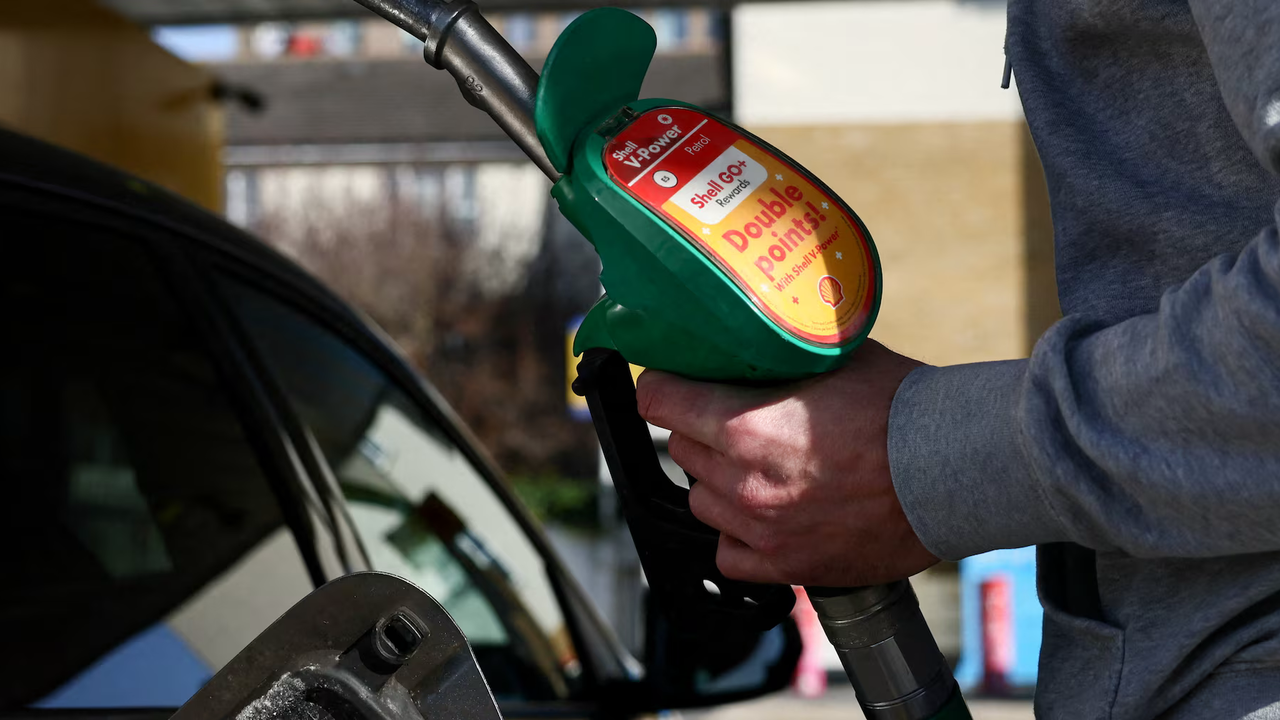
The surge in energy prices triggered by the U.S.-Israeli war on Iran is putting European governments under pressure to help households and businesses, but their financial resources are limited due to strained finances in some major economies. This makes it unlikely they will match the support provided after Russia's invasion of Ukraine three years ago, when subsidies and other assistance ran into billions of euros. However, they may still need to intervene if gas deliveries from Qatar increase, potentially reintroducing some subsidies. The difference from 2022 is that budget deficits across European economies have risen nearly 3 percentage points higher than in 2019 due to the aftermath of the COVID-19 and the energy crisis. Economic growth is weaker than four years ago and interest costs are higher, while European governments are raising defence spending. Spain, Portugal, and Greece have stronger finances but higher spending could compromise their recoveries. Italy's slowing growth could complicate its exit from the European Union's budgetary discipline measures.
Related Articles
Russian tanker group Sovcomflot says 2025 net loss at $648.4 mln
Russian tanker group Sovcomflot reported a $648.4m net loss in 2025, with declining revenue and operating costs due to high inflationary pressures and competition from global leaders.

Exclusive: Pakistan's domestic power sources cushion LNG supply risk, minister says
Pakistan's Energy Minister Awais Ahmad Khan Leghari acknowledges LNG supply risks but emphasizes the country's growing reliance on indigenous energy for power needs.

German wholesale prices rise 1.2% in February
German wholesale prices rose by 1.2% in February, with consumers spending more than £10,000 on average, according to official estimates.