While low-income consumers struggle with rising gas prices, higher earners grow nervous as markets fall

By Davis Giangiulio
Published on March 31, 2026.
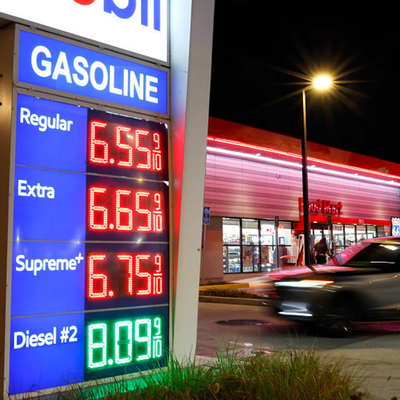
The U.S.-Iran war is causing higher oil prices to strain lower-income consumers, while higher earners are beginning to feel the heat. Bank of America's internal data shows that from the start of the war through March 21, lower income households' annual spending growth rate excluding gasoline slowed as higher energy prices took their toll. Higher-income households' rate remained largely stable while lower earners struggle. Consumer sentiment fell more than three points to 53.3 in March from March, according to the University of Michigan's monthly survey. The University's director, Joanne Hsu, stated that consumers with stock wealth were impacted by escalating gas prices and volatile financial markets in the wake of the Iran conflict, leading to larger sentiment declines in these groups. Goldman Sachs estimates that a 10% fall in equities could lead to a 0.5% knock to GDP in 2026. The biggest risk to the economy has been a stock market correction, with Goldman Sachs' Pierfrancesco Mei suggesting that a weaker market could lead higher earners to pull back, while lower income earners still struggle. The S & P 500 was the outlier in the market.
Related Articles

Goldman Sachs eleva previsiones de precio aluminio debido a interrupciones en el suministro
Goldman Sachs elevates previsiations for precio aluminio due to interrupciones in the LME, raising concerns about its long-term economic viability.

KKR plans to privatise Japan's Taiyo Holdings with $3.3 billion tender offer
KKR plans to privatise Japan's Taiyo Holdings with a $3.3 billion tender offer, including significant participation agreements with DIC and Kowa, and hopes to re-invest in its portfolio.
Why $4 a gallon gas prices won’t trigger Fed interest rate hikes — and could lead to cuts
The Federal Reserve is expected to hold interest rates amid concerns that higher fuel prices will harm economic growth and force job cuts.