On Iran, Trump blinks first
By Mark Toth
Published on April 23, 2026.
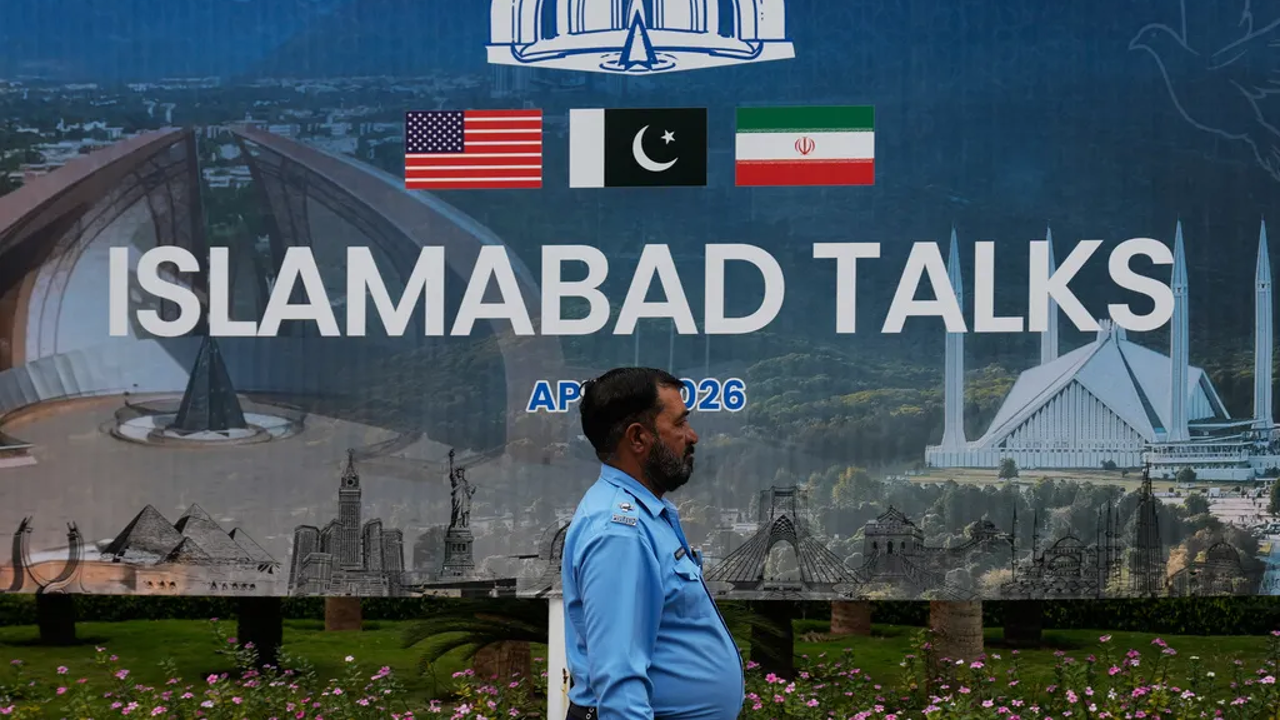
President Trump has delayed a ceasefire with Iran by extending it, hoping it would fracture, relying on his naval blockade to economically break the impasse. However, Iran's Islamic Revolutionary Guards Corps attacked three ships in the Strait of Hormuz just hours before, despite repeated threats by the president to renew airstrikes. The Institute for the Study of War reported that Iran's top leaders have likely secured temporary control over Iran’s military response in this conflict, indicating that they have been influenced by Iran‘s most fanatical faction. Despite this, the Iranian regime believes the United States will act harder than Iran's $300 million daily loss of daily oil revenue, which they fear will significantly impact their regime. The report suggests that the Islamic Revolutionary Guard Corps is the regime's center of gravity and its commander, Ahmad Vahidi, believes it will take "boots on the ground" to eradicate his regime. Meanwhile, the White House is more cautious about risk-averse reliance on stand-off weapons systems, which have likely limited their effectiveness. The article concludes that the strategic phase of the military campaign must transition into an operational-tactical phase to secure victory. It calls for collective use of national power rather than invasion or occupation, rather than an invasion, and for the implementation of diplomatic, informational, economic, and military tools. The author recommends keeping the blockade in place.
Related Articles
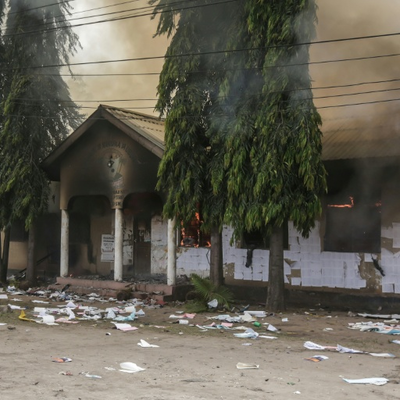
More than 500 killed in Tanzania poll violence: govt
Tanzania's electoral violence left at least 518 dead, with officials alleging foreign involvement, and opposition claiming the violence was pre-planned.
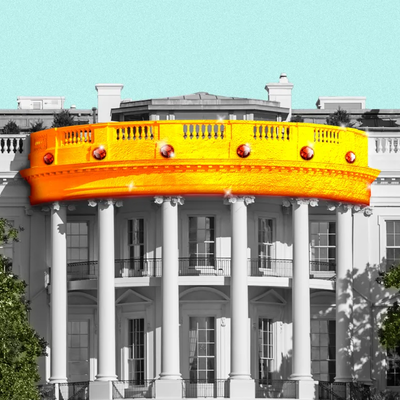
Dems advance "No Kings Act" as bold check on federal power
Colorado Democratic lawmakers are debating the "No Kings Act," a bill allowing individuals to sue federal officials for civil liberties violations, despite federal immunity protections.

Texas Attorney General releases report in Castle Hills police shooting
The Texas Attorney General released a report on the fatal shooting of 24-year-old Jazz Fernandez by police in Castle Hills, emphasizing the need for transparency.