These iconic American images aim to protest and persuade
By Phaedra Trethan
Published on March 28, 2026.
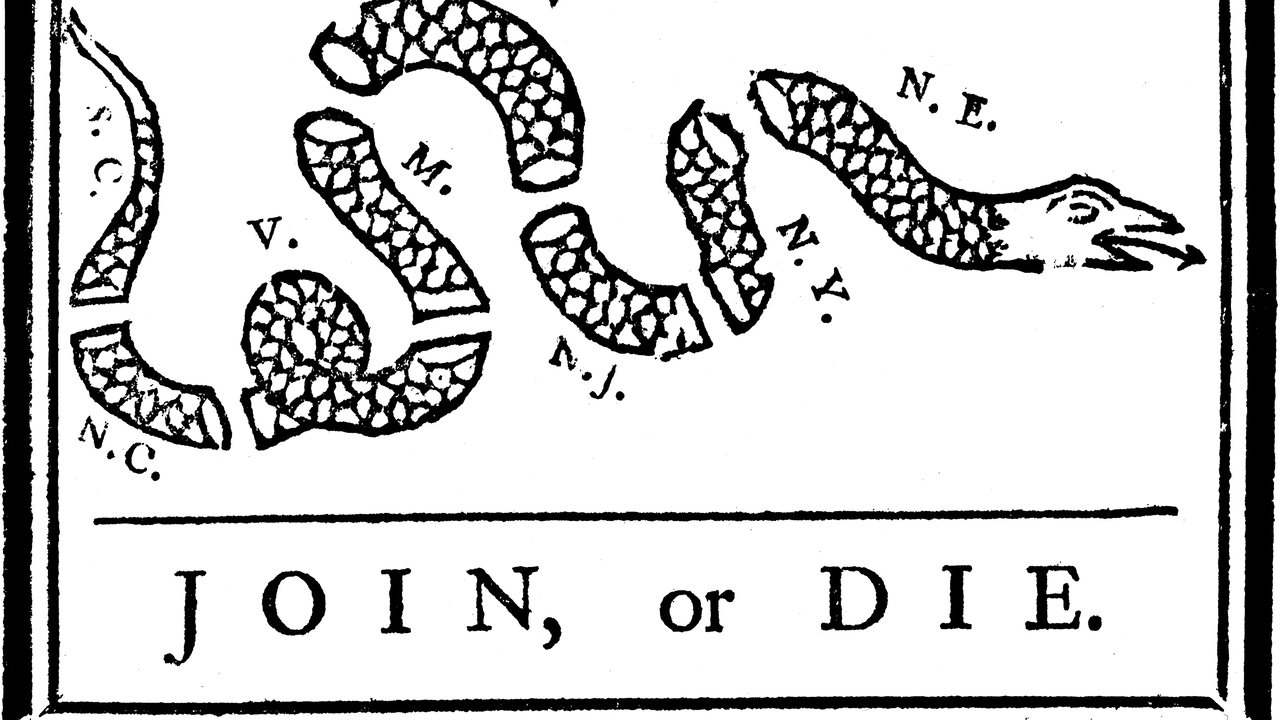
Iconic images from Benjamin Franklin's "Join, or Die" woodcut, often used as a tool to promote unity among the colonies against a common enemy, the British government. Printmaking was an early means of disseminating dissent, with examples such as the "Join or Die," or "Paul Revere's engraving depicting the Boston Massacre. The 19th century saw the rise of political cartoons by Thomas Nast, and artists like Glenn Shaw and Elizabeth Olds created murals reflecting American life during the 1930s and '40s. During the AIDS crisis, artists like Keith Haring, Nan Goldin and the Silence=Death and Gran Fury collectives used art to highlight the plight of those suffering and dying from the disease, and to draw attention to an indifferent society. In the 1960s, protest art took different forms, like performance art, and puppets.
Related Articles

Why McDonald's Can Be So Stingy With Its Sauces
McDonald's is notorious for its stingy sauce policy, restricting sauce availability with McNugget meals, inconsistent pricing policies, and inconsistent pricing patterns, affecting customers across locations.

You Basically Have To Buy These Practical Items On Sale Before The Deals End
Amazon’s Big Spring Sale offers practical, essential products like Apple's AirTag tracking devices, electric spin scrubber, Apple's Find My app, and a back-saving electric scrubber for mobility issues.

35 Deals That'll Polish Up Your Personal Hygiene To A Whole New Level
Amazon’s Spring Sale offers exceptional discounts on top of essential personal care items like Waterpik Aquarius, which are 40% off list price, to enhance personal hygiene.