Neanderthal toddlers grew faster than modern humans, probably because of the harsh environment they evolved in
By Kristina Killgrove
Published on April 21, 2026.
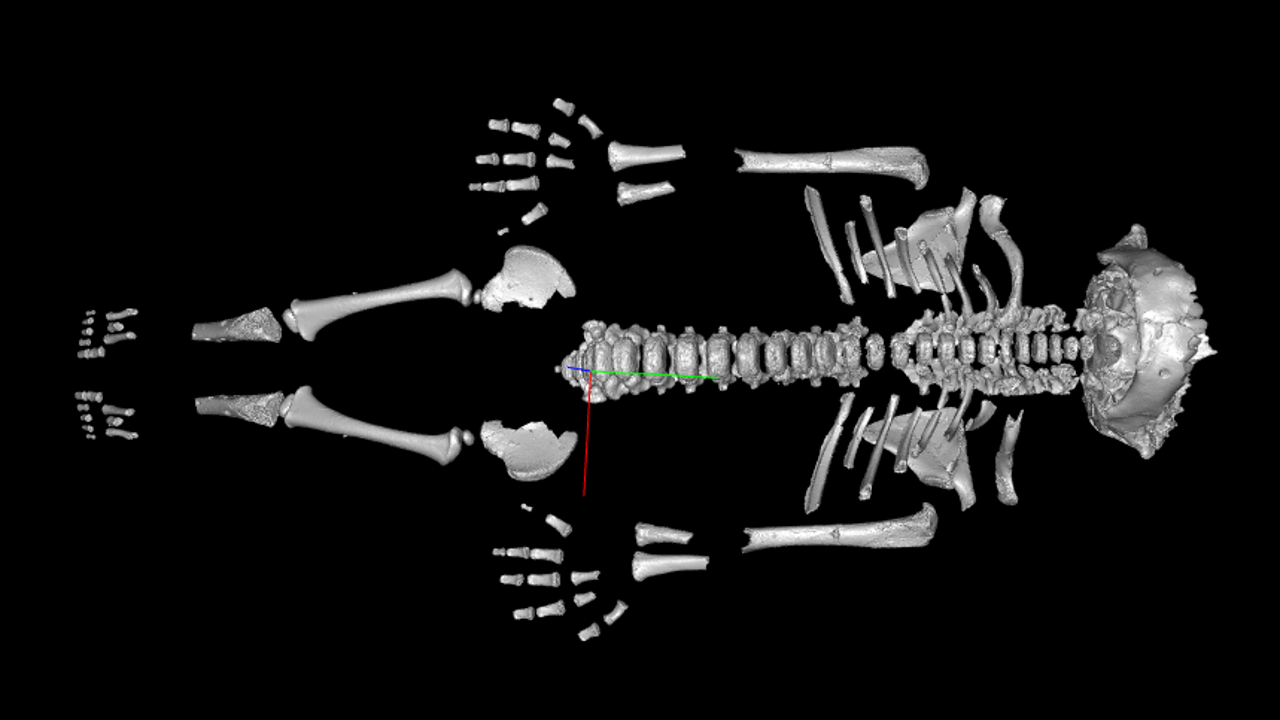
New research suggests that Neanderthal toddlers grew faster than their modern human counterparts due to the harsh environment they evolved in. The discovery was made using the bones of a young Neanderthal discovered in Amud Cave in northern Israel in the 1990s. The study suggests that the two species followed different evolutionary paths after they split from a common ancestor around 600,000 years ago. The Amud 7 skeleton was found in over 100 pieces, which included fragments of the child's arms, legs, chest and skull, all displaying distinctively Neanderthal anatomical features. However, due to their rarity, the age at death of Amud 6 has been difficult to determine. The researchers found that while newborn Neanderthals were comparable with modern human newborns in terms of tooth formation, tooth eruption and the lengths of the arm and leg bones, they had significantly larger skulls.
Related Articles

'That's just not a winning strategy': Congress objects (again) to Trump's planned NASA budget cuts
President Trump's proposed NASA budget cuts face opposition from Congress, with both sides expressing concerns and a desire to maintain US space dominance.

Bizarre Moment Drivers Steal Hay Bale by Squeezing It Between Cars
Abridgeshire's Chris Nighy, known as "The Devil" or "The Beast" for his appearance, was captured on camera as two men attempted to steal a hay bale from a nearby farm.

Meet AGI CPU — a specialist processor that engineers believe will power the next wave of AI
Arm's first in-house processor focuses on powering AI agents with multiple cores, enhancing performance and efficiency in data centers across the globe.