Science news this week: Cannibal orcas in Russia, oracle bones that reveal climate disaster in ancient China, humming black holes and a barefoot volcanologist
By Ben Turner
Published on March 7, 2026.
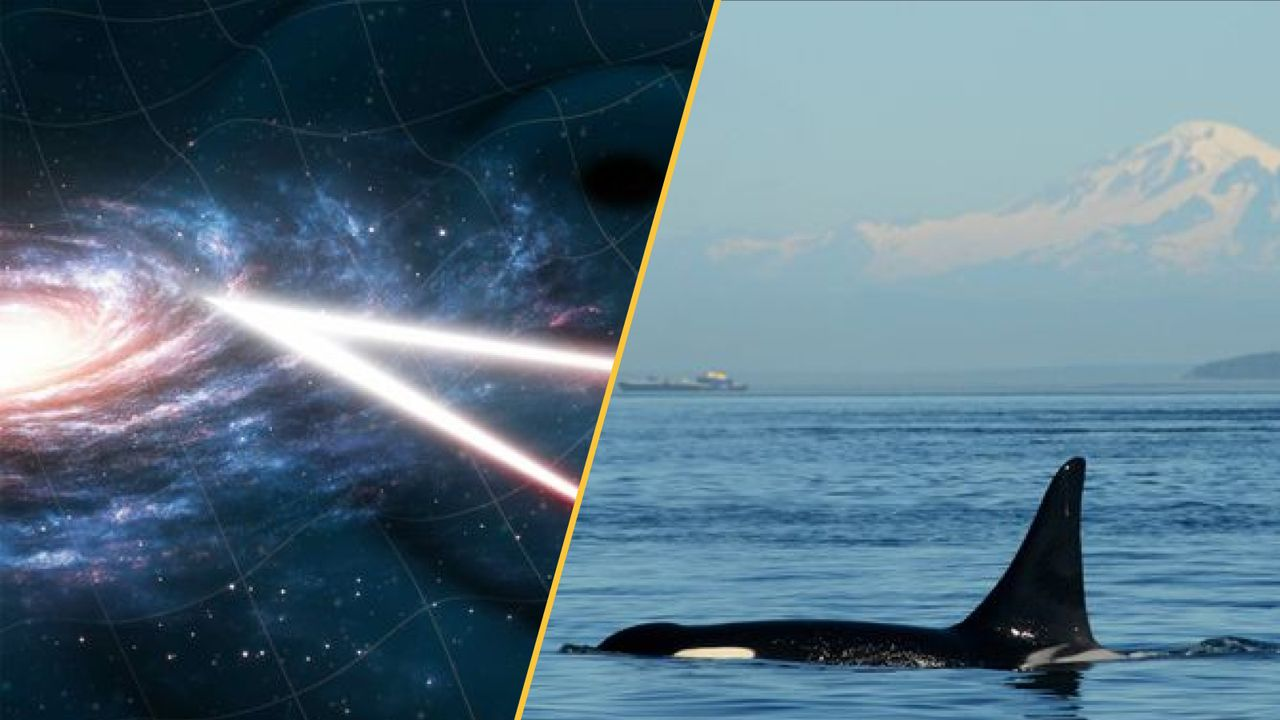
The week ended with a number of bizarre animal behavior, including cannibalism among orcas near Russia, two 'extinct' marsupials found, and a discovery that China's oracle bones reveal climate disaster in ancient China. Oracle bones, made up of 3,250-year-old engraved bones and tortoise shells, reveal that the Shang dynasty may have collapsed with the help of mega-typhoons. Scientists also revealed that a Japanese ant was identified as the only species that consists entirely of parasitic queens, creating cloned offspring that invade other ants nests. The Hubble tension, or the expanding universe at different rates, has become a major issue for astronomers, threatening to upend our best understanding of the universe. However, scientists predict that cosmic migraine relief could be in the form of colliding and merging black holes. A new study detailed how space-time ripples produced by crashing black holes create a hum with a strength that changes depending on how fast the universe is expanding.
Related Articles

Unlock 90 Days of Free NordVPN (Last Spring Sale With Up to $480 Off)
NordVPN’s spring sale offers 90 days of free service, including 3 months in each 2-year plan, with extensive security and privacy features for sale.

The best 50-inch TVs of 2026: Expert tested
The best 50-inch TVs of 2026 offer excellent picture quality, screen size, and immersive audio, with Samsung QN90F and LG's models also offering premium gaming and multimedia features.

Exclusive: Faith leaders urge Congress to limit AI weapons
Faith leaders urge Congress to pass legal protections to prevent humans from taking over and managing AI-enabled weapons, citing human rights concerns.