When weight-loss drugs don’t work.
Published on March 23, 2026.
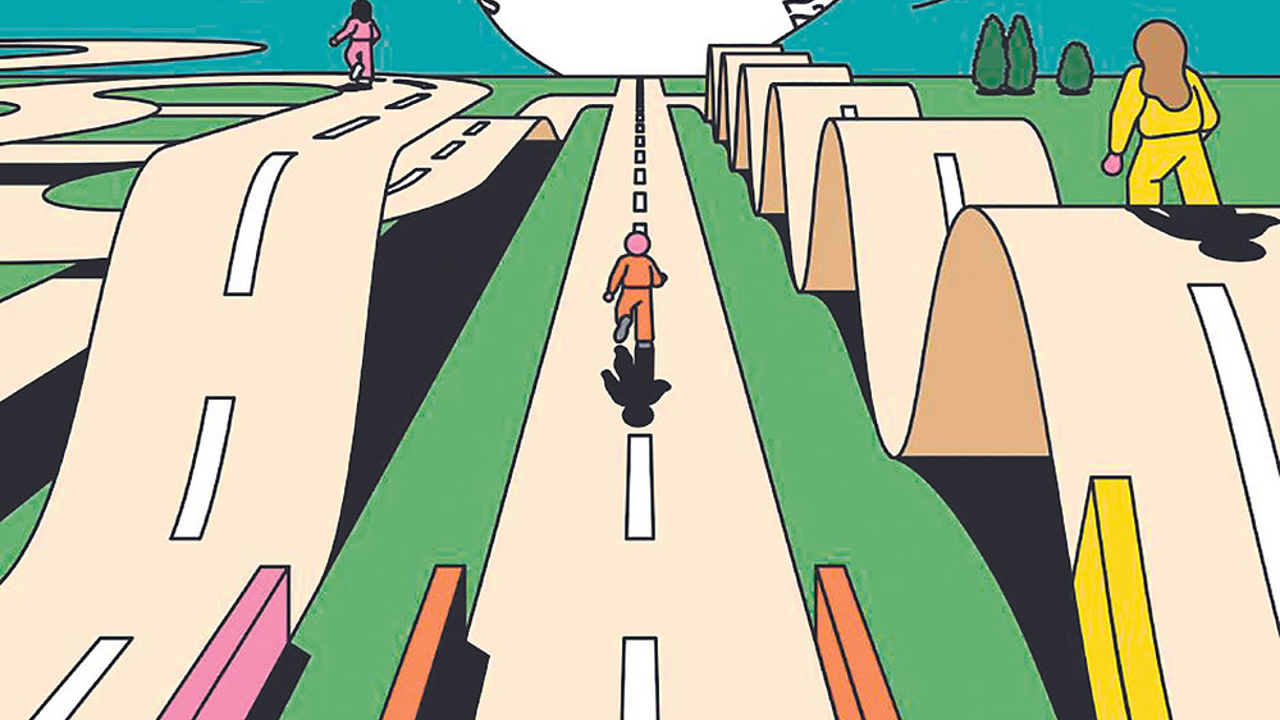
In clinical trials, about 1 in 10 people on weight-loss drugs like Zepbound, who lose less than 5% of their body weight, are "nonresponders" compared to the average of 15% to 21%. This is often overlooked as much as the benefits of these drugs are often overlooked. Researchers are now using genetics and other patient characteristics to predict how someone will respond to these drugs. Genetics can influence hunger levels, fullness, and metabolism, contributing to obesity and how someone might respond to weight loss drugs. Semaglutide and tirzepatide, the two most popular weight-control medications, largely work by reducing appetite and silencing “food noise” but those whose obesity is unrelated to food intake might see less of an effect on these drugs than those who do not respond well to them. Researchers have found differences in genetic profiles between people who lost weight on an older GLP-1 drug and those who did not respond to it.
Related Articles

This Whitening Toothpaste Is ‘Oven Cleaning For Your Mouth’, According To Reviewers
A toothpaste called Smith's Smiths Whitening Whitening improves teeth significantly, leaving them white and smelling like freshly minted.

Nail Professionals Recommend Products For Your Battered Winter Feet
Nail professionals recommend simple tips for maintaining healthy feet during the cold, snowy winter months, including regularly trimming toenails and using sugar scrubs to exfoliate them.

Gut viruses may curb blood sugar spikes
A study in mice reveals that gut virome viruses, including ones that infect bacteria, can reduce blood sugar spikes and potentially influence metabolic disorders like diabetes.