Arbor Day Is Actually About Infrastructure
By Dan Lambe
Published on April 24, 2026.
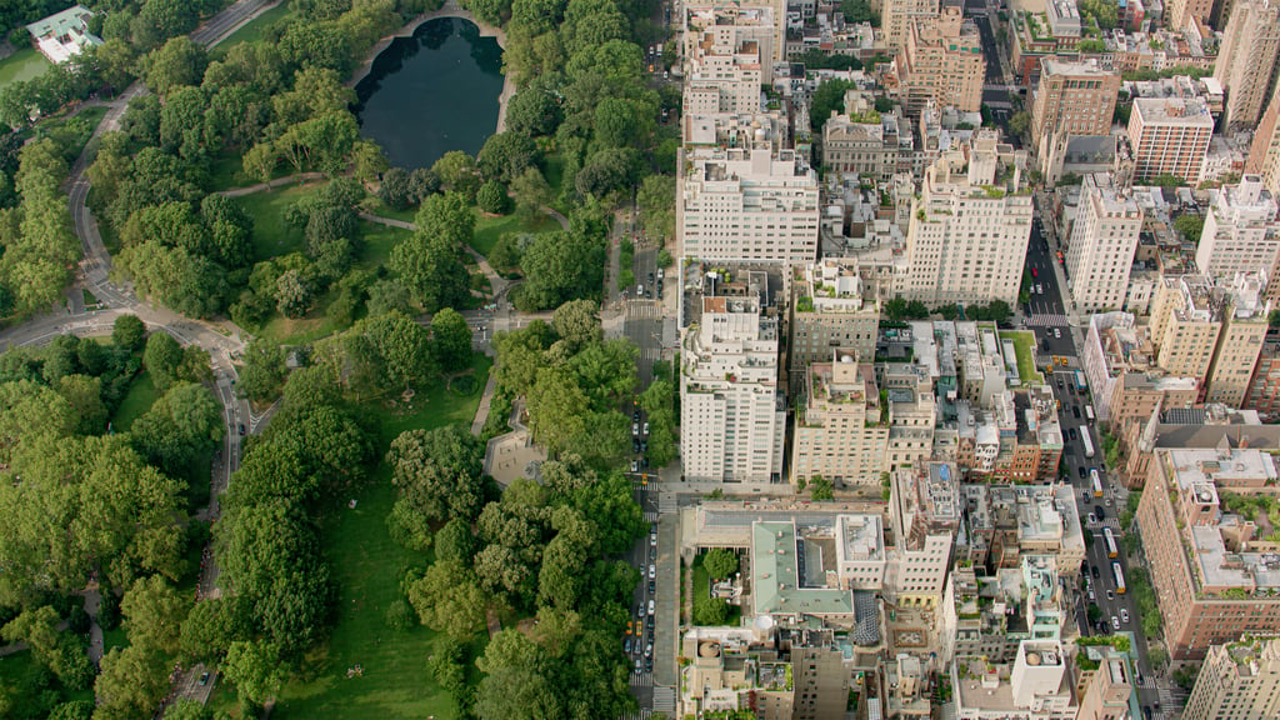
The author argues that trees are essential infrastructure in our communities, providing shade, cooling, reducing stormwater runoff, improving air quality, lower energy costs, and extending the lifespan of other infrastructure. She argues that we need to shift from using trees as tools for beautification to emphasizing their importance for biological resilience and infrastructural strength. The last decade has been the hottest on the planet and the rising heat has proven to be a public health crisis. Trees significantly reduce surface and air temperatures by providing shade and providing shade. They also lower air temperatures and reduce storm water by up to 10°F by shading homes and streets and releasing water vapor through their leaves, which further enhances their cooling effect. The author suggests that a strategic investment in green systems provides an immediate return on investment, delivering savings that can be reinvested. Well-placed trees increase property values and reduce energy costs. The U.S. Department of Energy estimates that planting just three trees in strategic locations can reduce household energy bills by $100 to $250 per year and cut energy use by upto 25%.
Related Articles
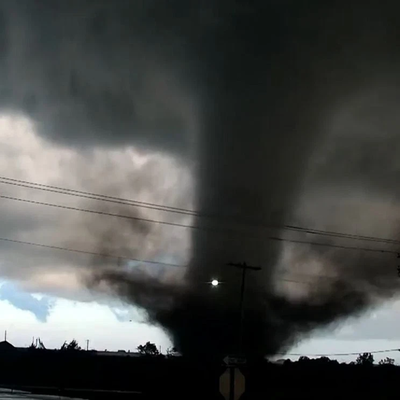
Tornado tears through Oklahoma: Dozens of homes destroyed, no lives lost
A powerful tornado caused significant structural damage and injuries in northern Oklahoma, with dozens of homes destroyed and roads hazardous due to debris and power failures.

Coast Guard offloads $20M in cocaine seized from boats in Caribbean
The US Coast Guard unloaded $20m worth of cocaine from boats, highlighting the ongoing success of its anti-terrorism strategy.
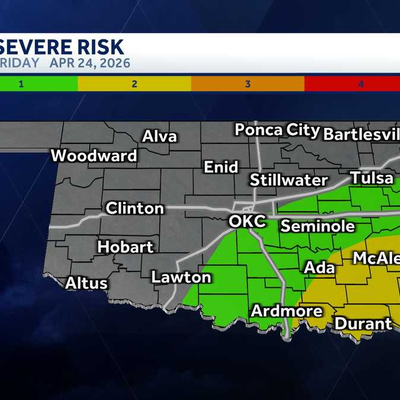
TIMELINE: More storms with tornado risk expected Friday, over weekend in Oklahoma
More severe storms are expected in Oklahoma, with a low tornado risk in southeastern Oklahoma, causing significant damage and disruption.