Trump tariff fallout: Some industries grapple with lingering effects one year later
By Laya Neelakandan
Published on April 3, 2026.
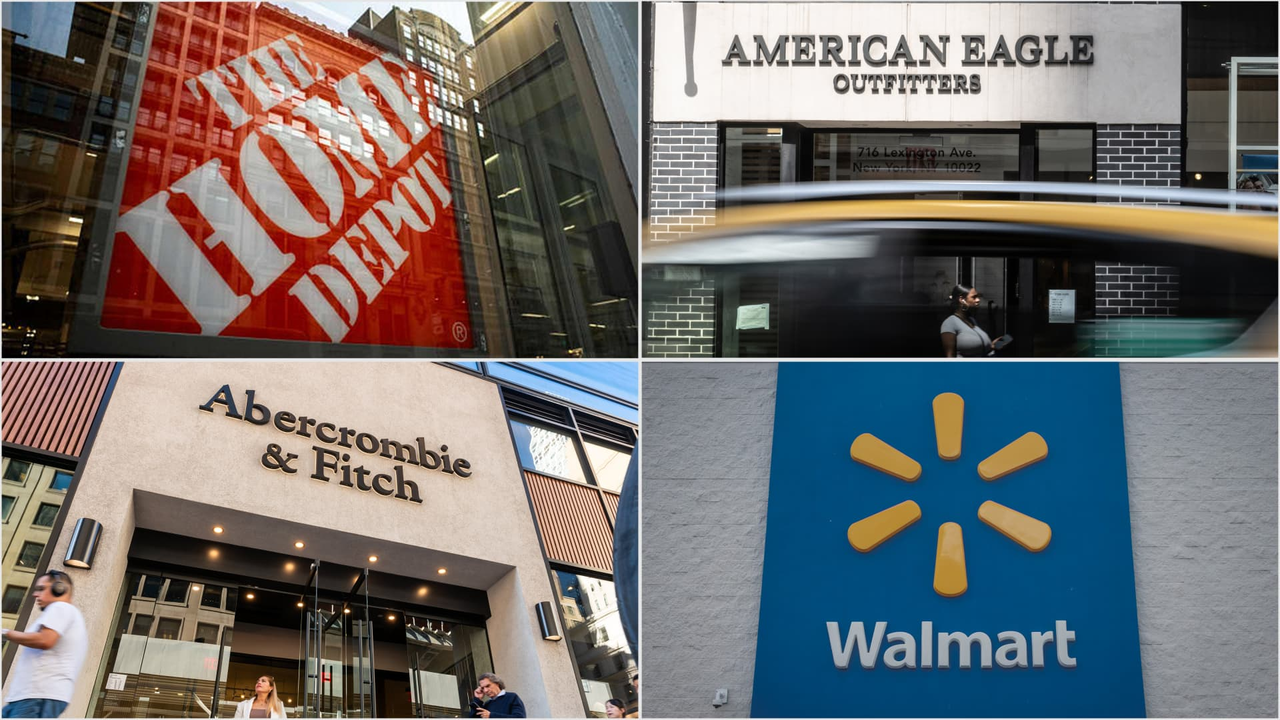
A year after President Donald Trump imposed sweeping tariffs on imports, some industries are still dealing with the effects. While some industries have survived the changes, others, like retail, automotive, consumer packaged goods and pharmaceuticals, are navigating a new reality in global supply chains. Venky Ramesh, a supply chain expert with AlixPartners, said that around 80% to 85% of the costs were absorbed domestically, meaning either the U.S. corporations had to take the hit, or pass it on to customers. The Supreme Court ruled that the country-specific "reciprocal" tariffs imposed by Trump were unconstitutional, but he then announced a new "global tariff" rate of 10% under a separate statute, Section 122 of the Trade Act of 1974, for a period of 150 days. He later announced he would increase global tariffs to 15%. Meanwhile, those imposed under Section 232, which targeted specific imports that threaten national security, remain in place. The retail industry has been particularly affected by tariffs, with large retailers such as Walmart and Best Buy reporting higher prices.
Related Articles

White House proposes 2027 budget with $1.5T for defense, $73B in spending cuts
The White House proposes a $1.5 trillion budget for defense, including significant reductions in non-defense spending, to expand the military's capabilities.

Musicians’ Unions Back The Boss After Trump Dumps On Bruce Springsteen Again: ‘We Stand in Complete Solidarity With Bruce’
The US Musicians’s union leaders rallied behind Bruce Springsteen amid a feud with President Donald Trump, praising his work ethic and criticizing his administration.
Whole Hog Politics with Bill Sammon and Bill Sammon: Join the discussion
The Hill's senior executive Bill Sammon and journalist Chris Smith discuss the latest developments in the "Whole Hog Politics" series, including: