Science history: Chernobyl nuclear power plant melts down, bringing the world to the brink of disaster — April 26, 1986
By Tia Ghose
Published on April 25, 2026.
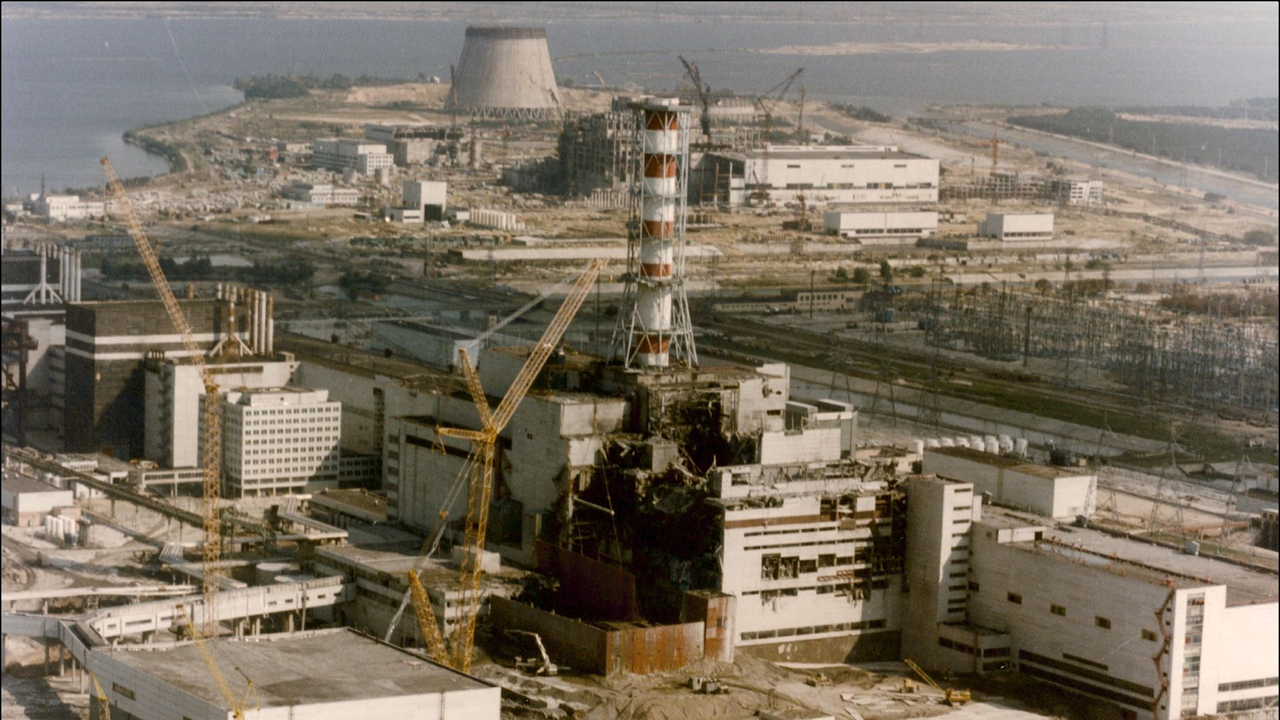
On April 26, 1986, operators at the Chernobyl Nuclear Power Plant were conducting a test to see what would happen to its nuclear reactors if they were under power. The plant generated fission power using several nuclear cores where uranium atoms were split. The operators initially reduced power to the reactor but kept it at half power, leading to a buildup of xenon that made the reactor unstable. Instead of raising power back to a higher level, they accidentally lowered it further and caused a power surge 100 times larger than normal. Two back-to-back steam explosions occurred, resulting in a massive fire and forced hundreds of thousands of people to evacuate nearby towns. The former Soviet Union tried to keep the meltdown a secret, but high radiation levels were detected across Europe in the weeks following the disaster. The Chernobyl site is now one of the most radioactive places on the planet and a natural test bed to see how animals and plants are exposed to high levels of radiation.
Related Articles

The Scientific Reason Some People Literally Hear Colors
Synaesthesia, a neurological condition where people experience involuntary reactions to specific sensory experiences, may be explained by competing theories of brain activity and creativity.

Scientists Say This Solo Outdoor Habit Can Cure Your Loneliness
A new study suggests that solo outdoor activities like lake activities can reduce loneliness, enhancing personal connection with nature, despite widespread social interaction concerns and limited scientific evidence.
Science history: Chernobyl nuclear power plant melts down, bringing the world to the brink of disaster — April 26, 1986
The Chernobyl nuclear power plant in 1986 exploded, causing the world's worst nuclear accident, as operators mistakenly reduced power to prevent a runaway reaction.