12,000-year-old dice hint at gambling habits as early as the last Ice Age
By Ben Cost
Published on April 2, 2026.
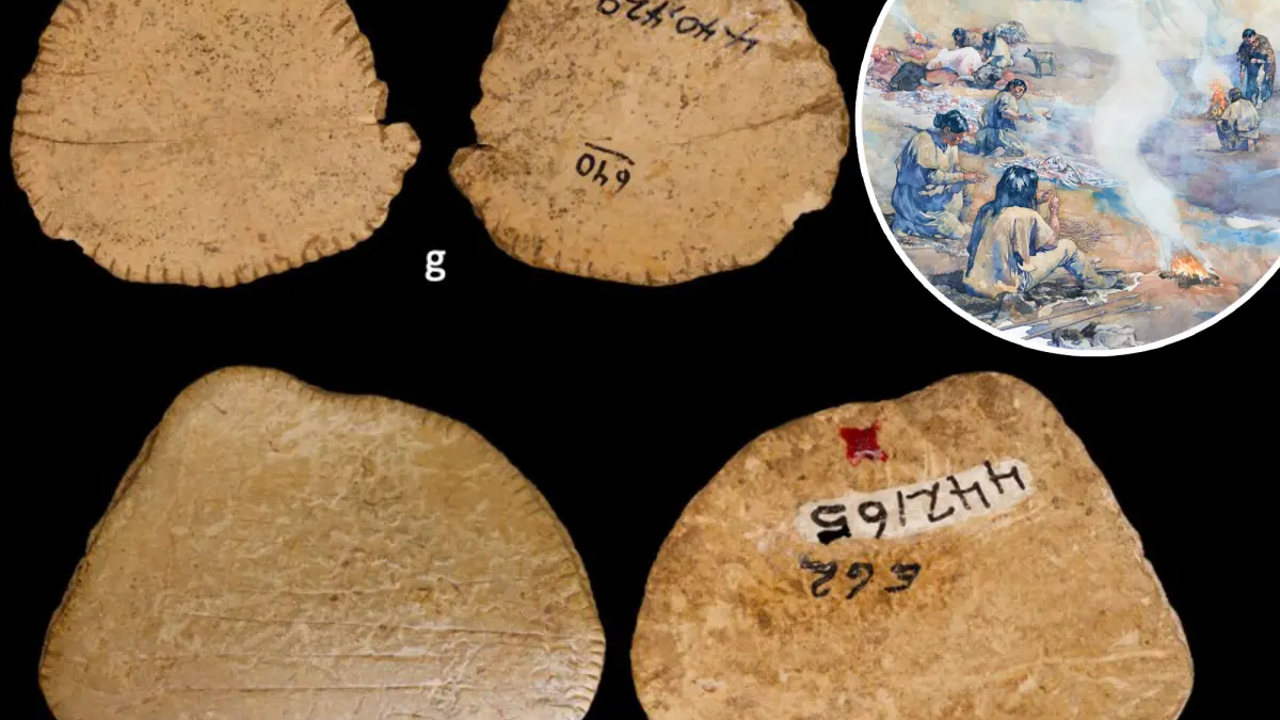
A study by an anthropologist and PhD student at Colorado State University has identified the first evidence of human gambling in 12,000-year-old Native American dice. The findings were published in the journal American Antiquity. The study author, Robert Madden, found that the dice, which predates the concept of dice in the Old World by 6,000 years, were used as multi-sided randomness generators and used in games of chance as early as the last Ice Age. To confirm these artifacts’ function, Madden inspected over 600 sets of Native American Dice from various prehistoric archaeological sites across the Western U.S. He identified 565 examples of “diagnostic” dice, 94 “probable” ones that fit only two criteria. These dice reportedly spanned 58 archaeological sites in the Great Plains and the Rockies, with the oldest examples dating back to the Folsom culture.
Related Articles

NASA astronauts prove that sending an email really is rocket science
Nasa's Artemis II moon mission faced challenges like leaks, a toilet malfunction, and technical issues with their toilet, but astronauts managed to resolve issues with Microsoft Outlook while in space.
The Octopus Penis Arm Doesn't Just Deliver Sperm—It Sniffs Out the Sweet Spot
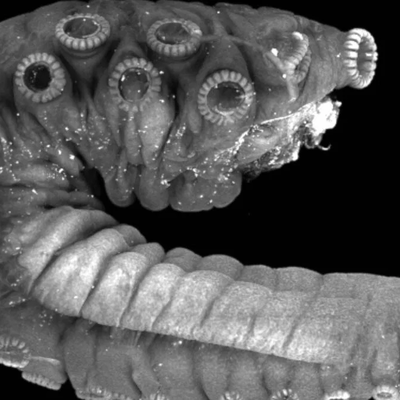
Scientists discovered the male octopus’s penis-like arm, the hectocotylus, is a sophisticated sensory organ that can detect and mate, shedding light on sexual evolution and its diverse species.
Dinosaur collagen used to create one-of-a-kind handbag
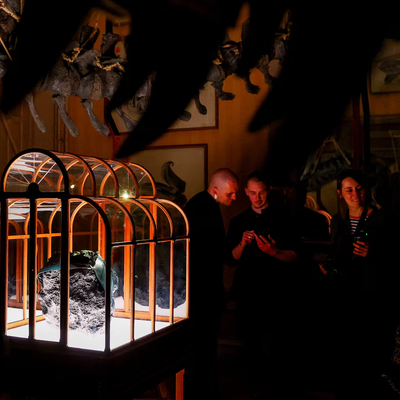
A handbag made with T. rex fossil-derived collagen at Amsterdam's Art Zoo will be auctioned, showcasing its potential for scientific discovery.