Growing Crackdown: More states ban synthetic kratom or 7-OH before federal government

Published on March 9, 2026.
More states are moving to restrict or ban the sale of synthetic kratom (7-OH), a product marketed as a natural supplement for pain relief, anxiety, and opioid withdrawal, amid concerns that it can be dangerous and addictive. The substance, which contains concentrated levels of 7-hydroxymitragynine, a compound derived from the kratom plant, can produce powerful effects and may lead to dependency in high doses. Ohio Governor Mike DeWine issued an emergency order in 2025 banning synthetic kammak products, directing the Ohio State Pharmacy Board to hold hearings within six months on whether to classify 7-OH as a controlled substance, making it illegal to manufacture, sell, possess, or use in the state. At least 12 states have already implemented full bans on 7-OO products. The Food and Drug Administration has recommended that the Drug Enforcement Administration (DEA) classify the substance as a Schedule I substance, placing it alongside heroin, LSD, and ecstasy, which would make it illegal nationwide. While states move forward independently, federal regulators have yet to make a final determination. Public health experts are divided over how far regulation should go, with some warning that it could strengthen illicit drug markets.
Related Articles

UMD research assistant’s sick call to bomb LA and Miami to wipe out Trump-supporting immigrants
UMD research assistant Djamil Lakhdar-Hamina, affiliated with the DSA, sparked backlash after suggesting bombing LA and Miami to kill Trump-supporting immigrants.

Justice Jackson says Supreme Court’s handling of emergency cases creates ‘warped’ process
Justice Ketanji Brown Jackson criticized the Supreme Court’s increased involvement in emergency cases, citing its early decision-making process as a "warped" and "unfortunate," while Justice Brett Kavanaugh defended it.
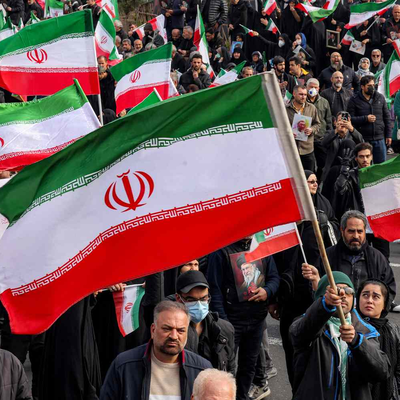
U.S. Warns That Iran May Be Activating 'Sleeper Assets' Who Could Plot to Harm Americans
The US warns of potential Iranian sleeper asset triggers by intercepting communications from Iran, potentially triggering terrorist attacks on American soil.