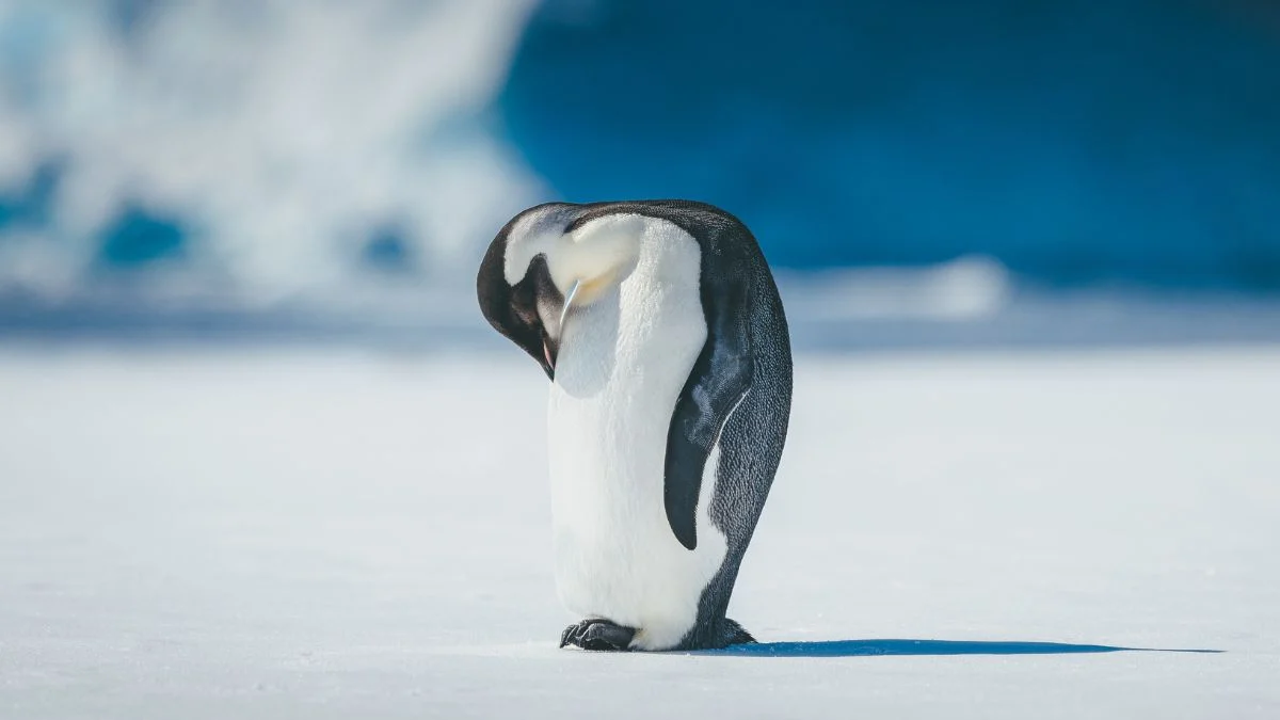
It's Official: Antarctica's Iconic Emperor Penguins Are Endangered
Published on April 18, 2026.
In 1902, British explorer Robert Falcon Scott discovered the first breeding colony of emperor penguins at Ross Island, Antarctica, during his Discovery expedition. This has been officially listed as endangered, along with the Antarctic fur seal. This designation is the first time these species have been given this conservation status in the Southern Ocean. As the world warms, Antarctic krill is shifting southwards and sea ice is shrinking at record levels, contributing to climate change. The spread of avian influenza, or bird flu, has also posed a threat to Southern Ocean wildlife, adding to the pressures of climate change on stressed species. The first emperor penguin breeding colony was discovered at Cape Crozier in 1902, and the International Union for the Conservation of Nature's Red List was established in the 1960s. Over nine years between 2009 and 2018, Emperor penguin numbers fell by 10% and their numbers are expected to halve by 2073. The decline is more pronounced for Antarctic fur seals, which had rebounded to an estimated 2.1 million mature seals in 1999, but their global population has decreased by more than 50%. In just a decade, they have been reclassified as "endangered". This rapid decline shows the speed at which these seals are declining. High mortality associated with avian flu has also led to the uplisting of southern elephant seal to "vulnerable" status.
Related Articles
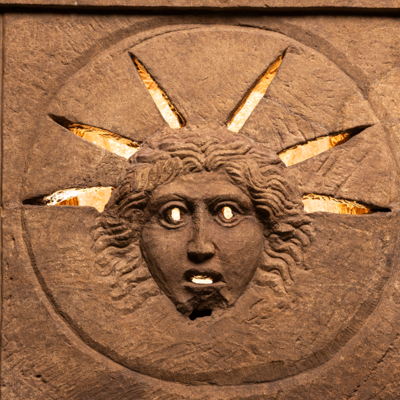
Altar to Sol: A rare 1,900-year-old monument dedicated to the Roman god of light and used in a secret underground ritual
A rare 1,900-year-old Roman altar dedicated to Sol, depicting his face, is on display at National Museums Scotland for the first time.

Germany's whale saga continues as animal swims free, then stops again
A humpback whale stranded in Germany's Baltic Sea for weeks, now appears to be moving towards deeper waters, despite multiple attempts to free it.

AI chatbots could be making you stupider
Researchers warn that increasing reliance on AI for cognitive tasks could significantly reduce our ability to remember and creativity.