Experts Reveal The Secret to Helping Your Pet Lose Weight
Published on May 2, 2026.
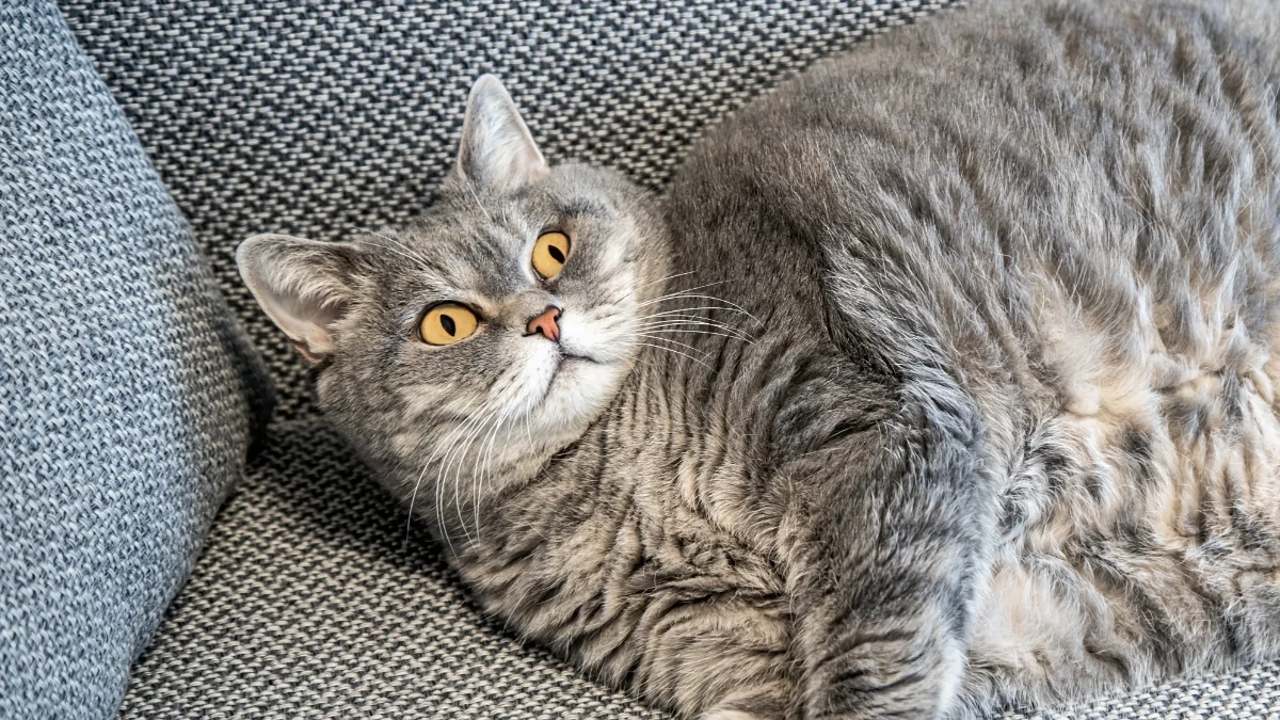
Overweight and obesity are among the most common conditions veterinarians see in both dogs and cats. However, weight-loss plans for pets have a high drop-out rate, with over half of participating dogs gaining weight in one study. The study suggests that weight management in pets often fails because we view it as a nutritional issue that can be solved by feeding less. The Global Pet Obesity Initiative uses a scale of 1-9, with a body condition score of 5 representing ideal body weight. Body condition scoring is a method vets use to classify animals as underweight, ideal weight or overweight. Obesity is defined as having a BMI score of 8 out of 9 (30% overweight) or above. Approximately half of the pet dog and cat population is overweight or obese, with middle-aged pets most commonly affected. Overweight and obese pets are associated with increased risk of diseases such as diabetes, heart disease, skin disease, and cancer. The World Small Animal Veterinary Association describes obesity as the most important global animal welfare issue.
Related Articles

Always a Runner goes from pneumonia at age 2 to the Kentucky Oaks Winner's Circle
Always a Runner, after overcoming pneumonia at age 2, won the Kentucky Oaks at Churchill Downs, marking a remarkable comeback story led by trainer Chad Brown.

'Guinea pig for the nation': Nebraska implements Medicaid work requirements
Nebraska has become the first state in the US to implement new Medicaid work requirements, sparking debate over its impact on health care, job prospects, and eligibility for Medicaid recipients.

New Mexico psychologist accused of improperly prescribing drugs
A New Mexico psychologist, Rick Wilson, is accused of improperly prescribing over 21,000 drugs, including cocaine, to boost his personal confidence.