Aspirin can reduce the risk of cancer – and we're starting to understand why
By Miriam Frankel
Published on April 21, 2026.
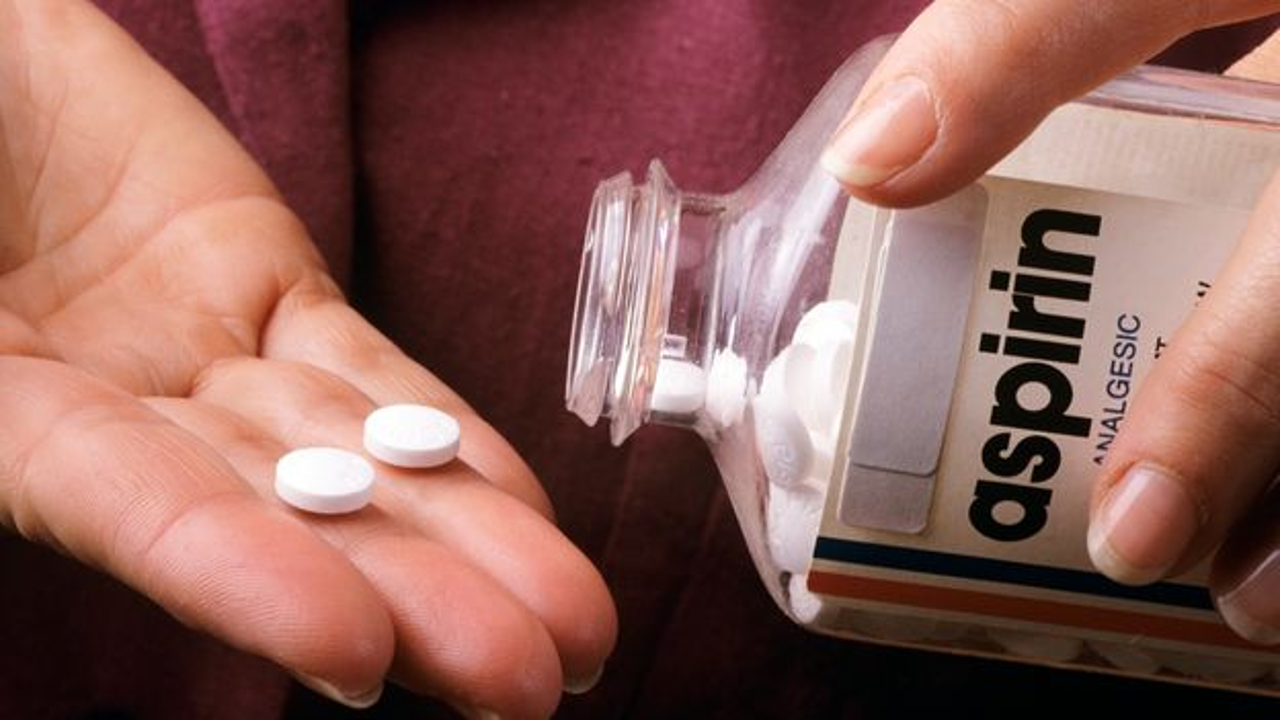
Aspirin, a 4,000-year-old drug most commonly used to treat pain, can reduce the risk of cancer by preventing tumours from forming and spreading across the body. The findings are already changing health policies. British furniture maker Nick James, who has been on aspirin for 10 years without developing cancer, became the first person to sign up for a clinical trial to test whether a daily dose of aspirin could protect against developing cancer. The study was led by John Burn, a professor of clinical genetics at Newcastle University, who led the trial. There have been indications that aspirin might reduce the chances of colorectal cancer spreading, or even occurring in the first place. However, the drug's blood-thinning effects can also prevent cardiovascular disease, reducing the risk by making the blood thinner and the blood platelets less sticky. It can take a long time to conduct a randomised controlled trial to find out if aspirin can prevent cancer, which can take many decades for the first time.
Related Articles
Nancy Grace raises alarm after string of scientist deaths
Nancy Grace discusses the suspicious deaths of 11 American scientists, highlighting inconsistencies and lack of official investigation into the circumstances.
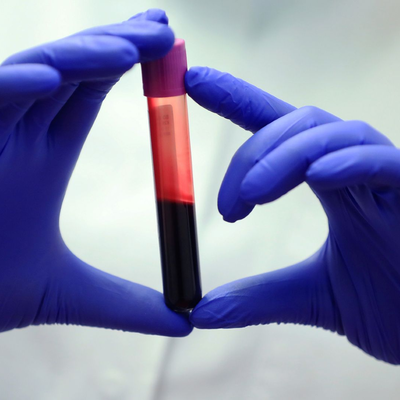
New blood test aims to spot liver scarring before it paves the way to cancer
A new blood test detects early liver scarring, potentially preventing cancer progression, by identifying underlying genetic changes through machine learning.

'We're the best servants anyone could dream of!' AI superintelligence has no need to enslave humans because we're already bowing to it
The rise of advanced AI threatens humanity's welfare by transforming our work and lives, prompting calls for caution and potential solutions to prevent human extinction.