Ethiopia’s Urban Hyenas May Be Cutting Carbon Emissions by More Than 1,000 Tons a Year
By Sharon Parry
Published on March 15, 2026.
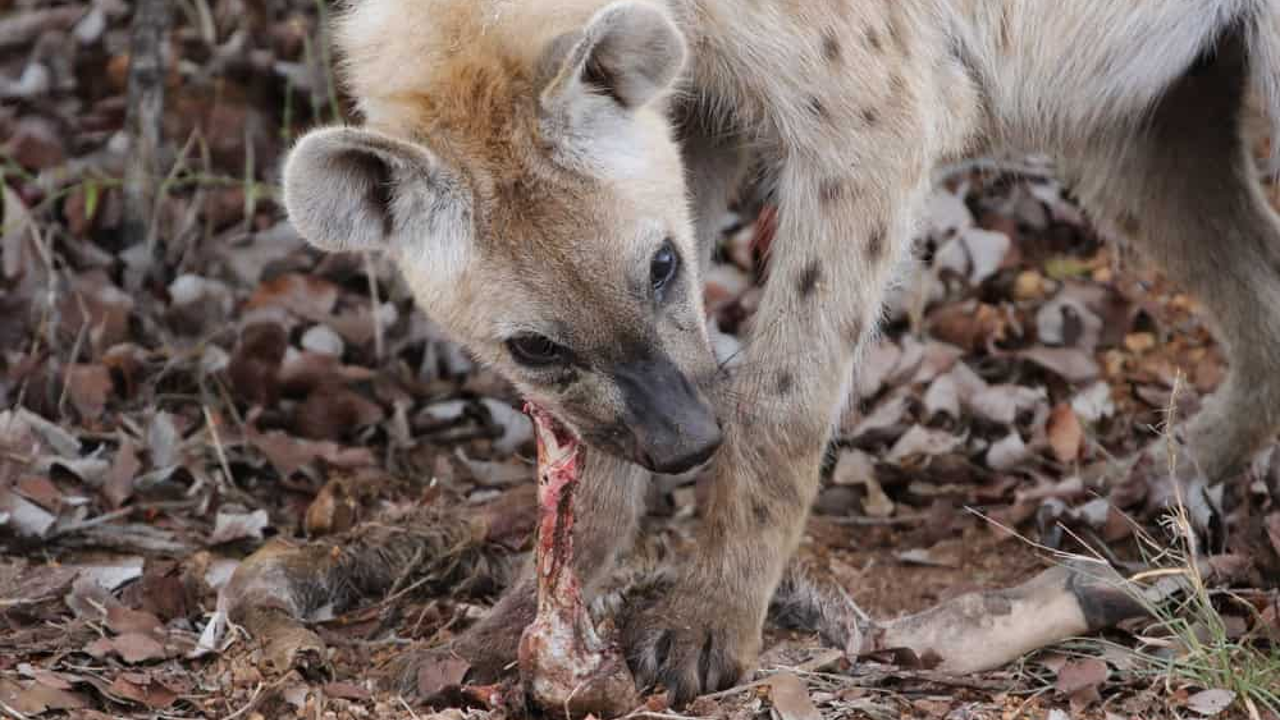
Ethiopian researchers have found that scavengers, like hyenas, may be helping to reduce carbon emissions by more than 1,000 tonnes a year in Ethiopia. The study found that while meat waste is expensive to dispose of and produces carbon as it decomposes, scavengers like these animals act as waste disposal teams when they eat waste meat, recycle nutrients and prevent disease spread. They found that these animals processed approximately 5,026 metric tons of organic waste annually, saving authorities around $100,510 per year and preventing approximately 1063.34 metric tons in CO emissions. The main scavengers found in the Mekelle region are spotted hyenes (Crocuta crocuta), African wolves (Canis lupaster), hooded vultures (Necrosyrtes monachus), and stray dogs. The researchers also noted that while scavengers are often stigmatized as unpleasant creatures, they also play a vital role in ecosystems cleaning up food left over by humans. However, this conservation effort is only limited if scavengers and humans can learn to coexist with human populations.
Related Articles

President Al-Sisi Addresses Economic Pressures and Regional Conflicts
Egypt's President Abdel Fattah Al-Sisi addressed economic challenges and regional conflicts, emphasizing the need to raise fuel prices and support vulnerable populations.

Environmental expert gives data center presentation at Gary forum
Hosier Environmental Council Executive Director Sam Carpenter emphasized the importance of local consultation to prevent data centers from damaging local resources and businesses.

California Facing Federal Lawsuit Over Gas Prices, Car Pollution Laws
The Trump administration has filed a lawsuit to block California from implementing a law that could end gasoline-powered car sales by 2035.