James Webb Space Telescope peers into a dying star surrounded by mysterious buckyballs: 'The structures we're seeing now are breathtaking'
By Elizabeth Howell
Published on April 23, 2026.
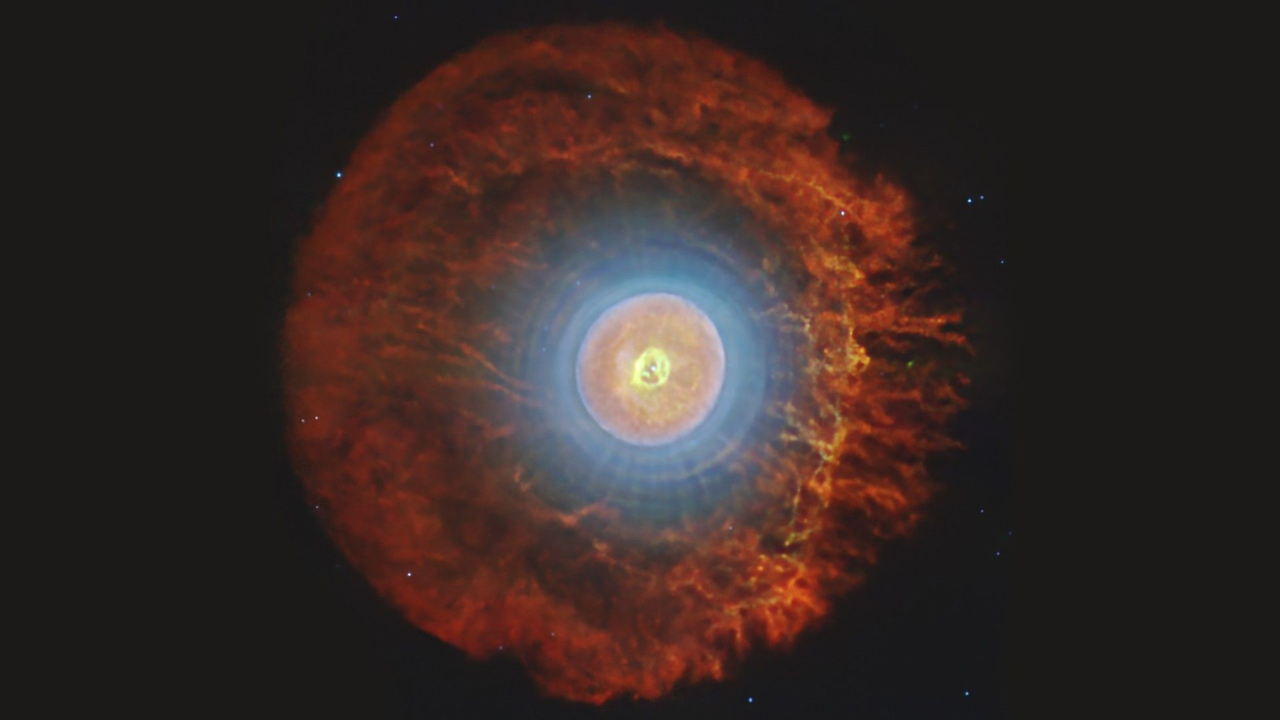
The James Webb Space Telescope (JWST) has revealed that it has observed a planetary nebula Tc 1, surrounded by mysterious buckyballs. The discovery was made in new imagery from the Mid-Infrared Instrument (MIRI), combining nine filters from 5.6 to 25.5 microns. The JWST peered 10,000 light-years into space to trace the origin of these carbon molecules, which are large and hollow molecules resembling a soccer ball. The gas cloud, Tc1, was from a dying star and includes an upside-down question mark shape, indicating a structure scientists don't yet understand. The findings could provide insights into how organic molecules form and evolve. Buckyballs are more commonly known as a type of polycyclic aromatic hydrocarbons (PAHs), which are a class of organic compounds with unique spectra of light.
Related Articles
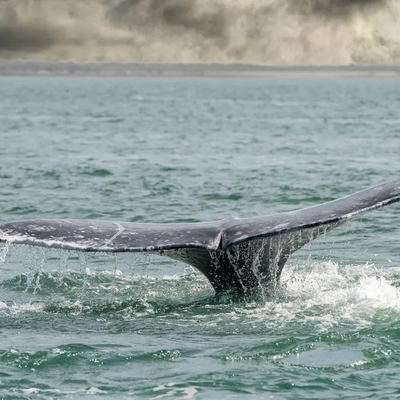
Whales Keep Dying In The Bay Area. A New Bill Aims To Fix That
A new bill, introduced by Rep. Sam Liccardo, aims to address the high number of gray whales dying in San Francisco Bay, establishing a "Whale Desk" within the Coast Guard.
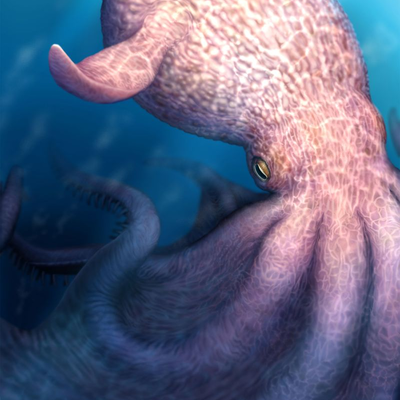
Fossil discovery reveals ‘hidden’ apex predator that rivaled marine reptiles 100 million years ago
Giant octopuses, some up to 62 feet, were among the top ocean predators 100 million years ago and may have relied on intelligence to capture and consume prey.
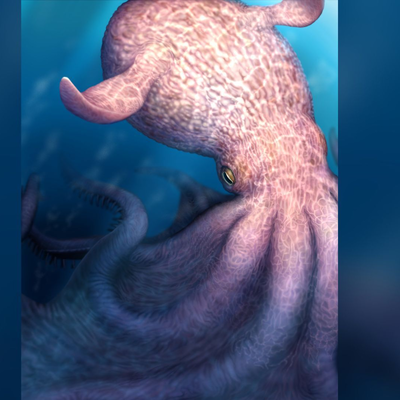
'Kraken' octopus that lived at the time of the dinosaurs was a 62-foot-long apex predator of the ocean
Scientists discovered massive finned octopuses up to 62ft (19 meters) in the Cretaceous, rethinking the ocean's food chain and emphasizing their intelligence and size.