How AI therapies are changing health care
By Adriel Bettelheim
Published on March 23, 2026.
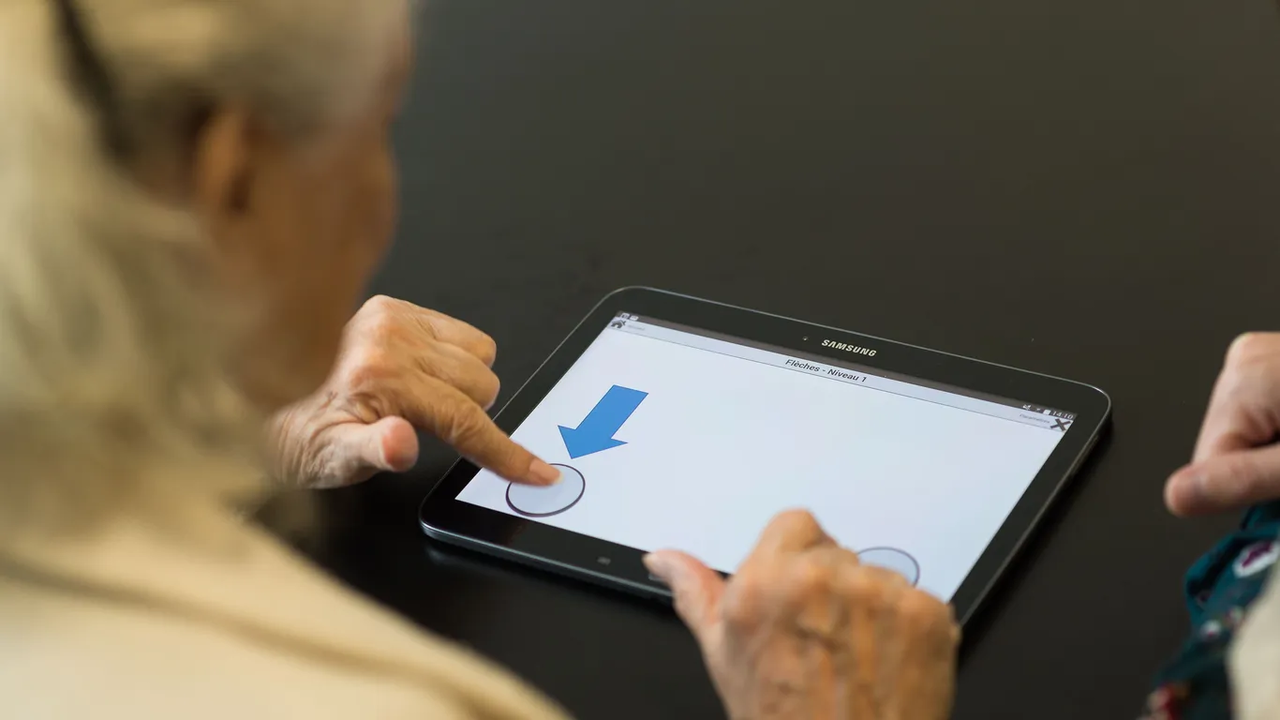
AI is becoming increasingly being combined with prescription drugs and other therapies in the effort to personalize medicine. The use of AI-powered apps, wearables and Bluetooth-connected devices is being used to manage chronic conditions like diabetes, recover from surgery, and treat depression and addiction. However, legal and regulatory questions are being raised about how to treat hybrid products that learn and evolve from their interactions with patients. Concerns are raised about whether the technology can overtake the treatment and make a drug useless without the accompanying data. The Food and Drug Administration has approved an AI virtual care assistant for patients recovering from joint replacement surgery and a smartphone app for depression. Drugmakers like Pfizer and Roche are also developing drug-AI hybrids that use wearable sensors and other sensors for personalize treatments and predict side effects, dosing timelines and dosages. However these hybrids could pose new issues as the treatment is constantly being refined based on the data it receives. Insurers are not convinced that the extra cost of the technology is worth it, and it could lead to confusion about the actual benefit of the treatment. There are also court battles over whether the industry can afford to reward innovation without allowing permanent market domination.
Related Articles

AI finds existing drugs that may extend survival for ALS patients
A study by Bay Area institutions reveals 18 FDA-approved drugs that could extend ALS survival, overcoming previous clinical trials and addressing its mysterious origins.
12 hidden iMessage features every iPhone user should try
Apple's iMessage features, including scheduling, translation, and voice memo effects, offer useful tips and features to enhance messaging, both for basic texting and personal interaction.

The 'One Piece' Anime Remake Will Be a Leaner, Modern Adaptation
Wit's upcoming "The One Piece" remake, a leaner, modernized version, aims to appeal younger fans and maintain Toei’s original style.