Artemis II is NASA’s last Moon mission without Silicon Valley
By Tim Fernholz
Published on April 2, 2026.
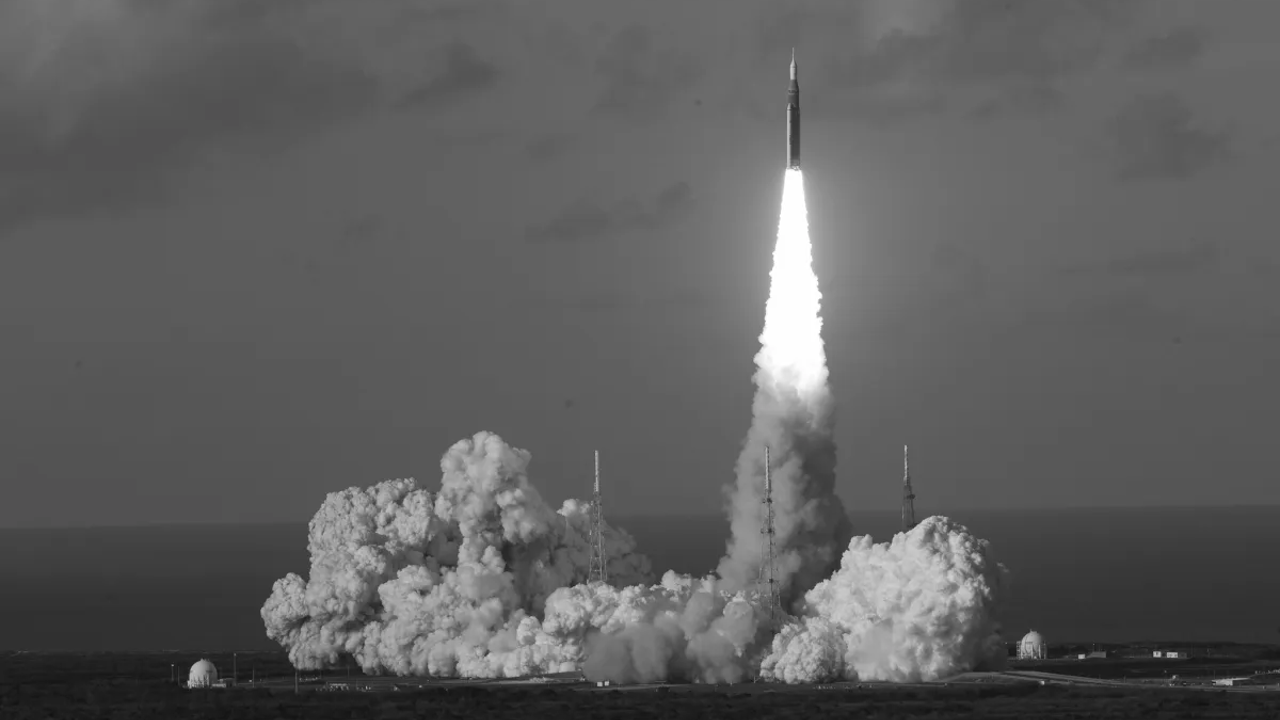
The launch of SpaceX's Artemis II mission is likely the last time NASA will attempt to send people to deep space without significant assistance from a venture-backed tech company. This follows a complicated process that began in the second Bush administration, when NASA began developing a rocket and spacecraft called Orion to return to the Moon. The Space Launch System (SLS) rocket, the most powerful operational rocket in the world, has only flown once before and is now carrying four Americans and one Canadian around the Moon and back. The SLS and Orion were built by NASA's legacy contractors, Boeing and Lockheed Martin, with a boost from Europe’s Airbus Defense and Space. However, they were costly, delayed, and over budget, while SpaceX was flying a fleet of cheap reusable rockets. This decision led to a company-saving contract for SpaceX and a rush of venture capital into extraterrestrial technology. The agency is now planning a bake-off: In 2027, NASA will test the ability of Orion to rendezvous with one or both landers in orbit, ahead of potential landings in 2028.
Related Articles

PSA: Anyone with a link can view your Granola notes by default
Granola defaultizes user notes, allowing links and potentially using them for AI training, despite its stated privacy settings.

New Apple model could boost Apple Vision Pro graphics
Apple researchers propose a new feed-forward 3D Gaussian Splatting framework, LGTM, to enhance graphics performance and enhance visual quality in high-resolution environments.
Ground control to Microsoft: Artemis 2 astronauts deal with Outlook hiccup in deep space
US astronauts aboard NASA's Artemis 2 Orion encountered a minor glitch with Microsoft Outlook during their journey, but managed to resolve it within an hour.