'No one knows what they are': Researchers discover new type of cell that's seen only during pregnancy
By Nicoletta Lanese
Published on April 8, 2026.
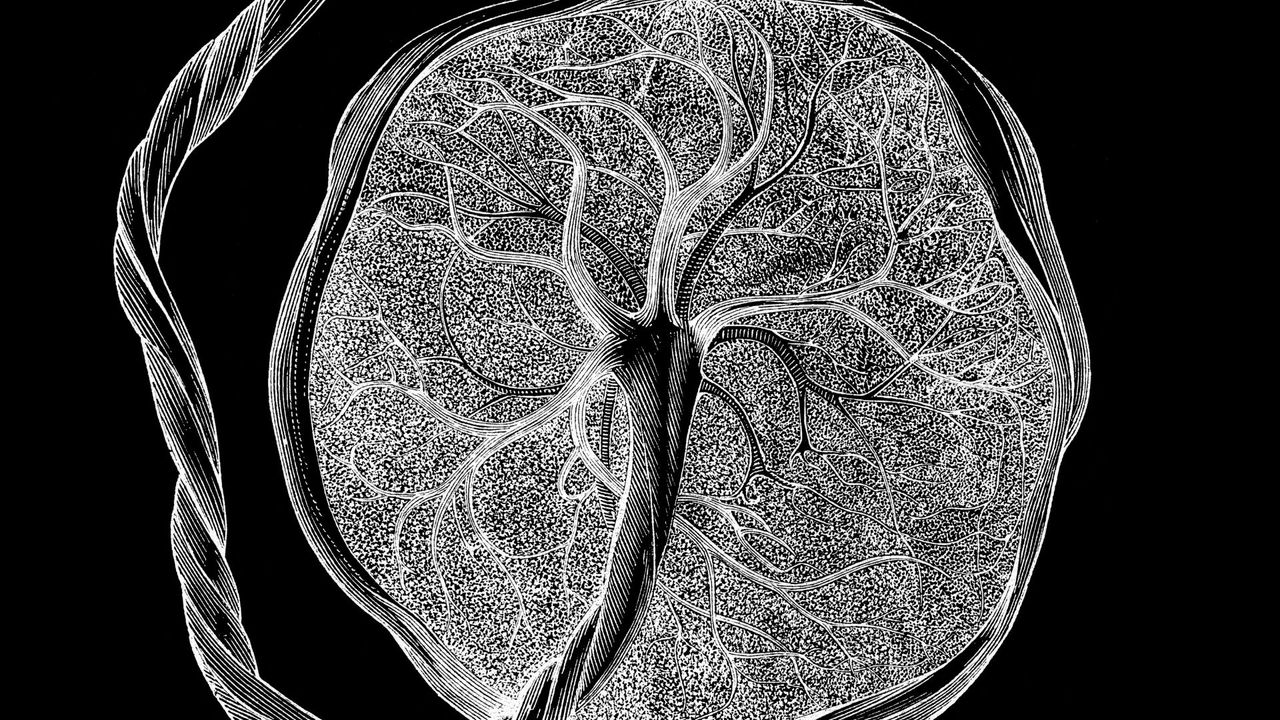
Scientists from the University of California, San Francisco (UCSF) have discovered a new type of cell that appears to be unique to pregnancy. These cells, which are not present in the uterus outside pregnancy, rise in number at the start of gestation as the uterine lining grows to support the embryo. They appear to be involved in linking the placenta to the maternal blood supply and carry receptors that respond to cannabinoids, including body-made chemicals and cannabis compounds. The discovery may explain why cannabis use in pregnancy is linked to health consequences such as decreased blood flow to the placa, poor oxygen delivery to the fetus, and a heightened risk of preterm birth, low birth weight and NICU admission. The researchers used data from about 1.2 million placental and uterine cells, including 200,000 isolated cells and 1 million cells embedded in their original locations within the tissue. The new atlas also revealed links between a given cell's gene activity and its behavior, which could potentially develop treatments for high-risk conditions.
Related Articles

N.Y. mustn’t add to health care costs
The 340B Drug Discount program, designed to support underserved patients, is driving up health care costs and necessitating transparency in New York's budget.

Artemis Audio Library: Authentic NASA Mission Sounds
The Artemis Audio Library hosts a collection of authentic NASA mission audio, free to download and use freely, provided compliance with media usage guidelines.

This Type of Dream Is the Secret to Better Sleep
A study suggests vivid, immersive dreams can enhance sleep, potentially explaining why some people are physically rested and others are not, despite inconsistent sleep patterns.