‘This is a huge finding’: UCSD researchers work on way to prevent Alzheimer’s disease with molecular ‘switch’
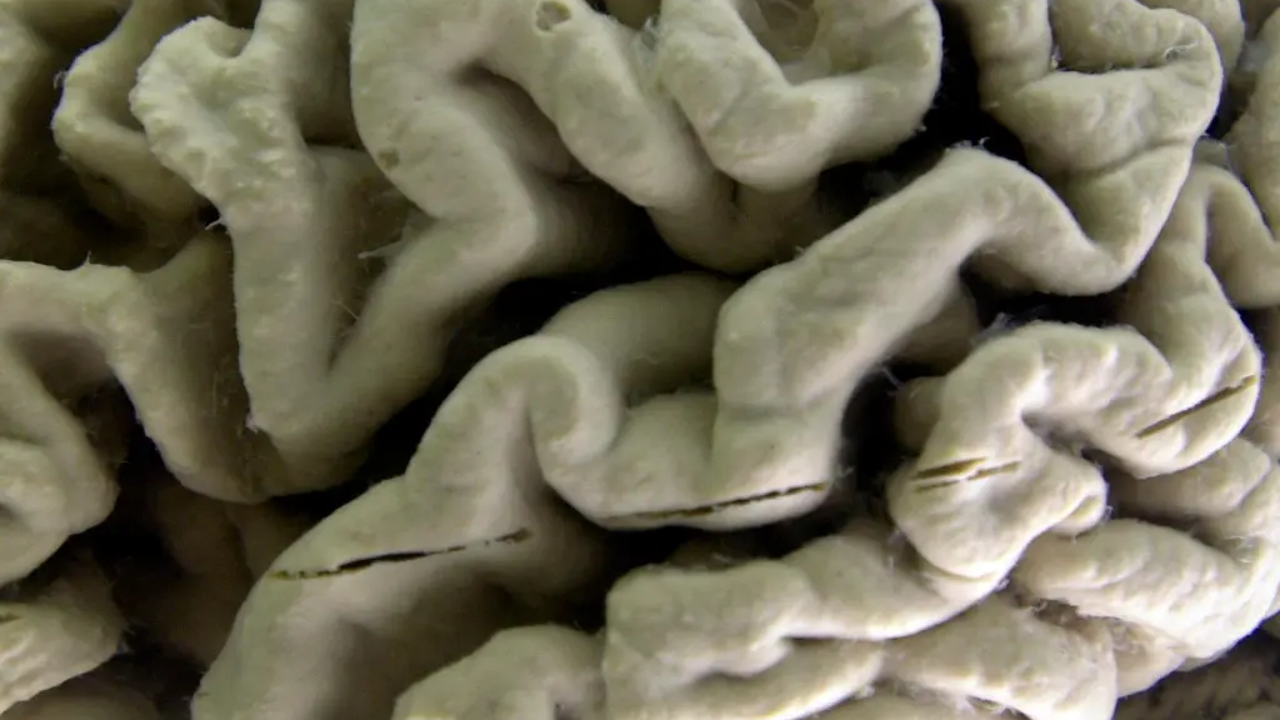
By Ashley Mackin Solomon
Published on April 24, 2026.
Researchers from UC San Diego have discovered new insights into a protein called Chromogranin A, or CgA, that could potentially determine if brain changes lead to memory loss. This discovery could pave the way for earlier detection and new strategies to prevent memory loss before symptoms begin. The study's co-senior author, Sushil Mahata, has been studying the protein for over three decades and has found that removal of CgAA protected against Alzheimer's-related damage in mice, and the protective effect was even stronger in females. The researchers used an advanced artificial intelligence-based framework to identify consistent molecular patterns linked to disease progression across multiple datasets. They also discovered peptides that work with Cg A to affect memory, with one promising to "overexpress" cognitive decline and another to reduce the expression of memory loss as a way to identify those susceptible to Alzheimer's disease.
Related Articles

FDA approves new drug for rare brain tumor
The FDA approved Jazz Pharmaceuticals' drug Modeyso to treat a rare, aggressive brain tumor, DMG, which causes severe symptoms and gradual decline in survival rates.

Prescription Drug Take-back Day Saturday Near Murrieta: Where To Go
The event is underway in Murrieta, California, where residents can drop off unwanted or unwanted items, including marijuana and alcohol.

Mental health awareness, with experiences from award-winning actor Christian Slater
Actor Christian Slater shares his journey of mental health recovery, emphasizing the importance of open conversations and mental wellness to improve our mental health.