Bacteria Play Previously Unknown Role in Kidney Stones, Study Finds
By Russell Mclendon
Published on March 1, 2026.
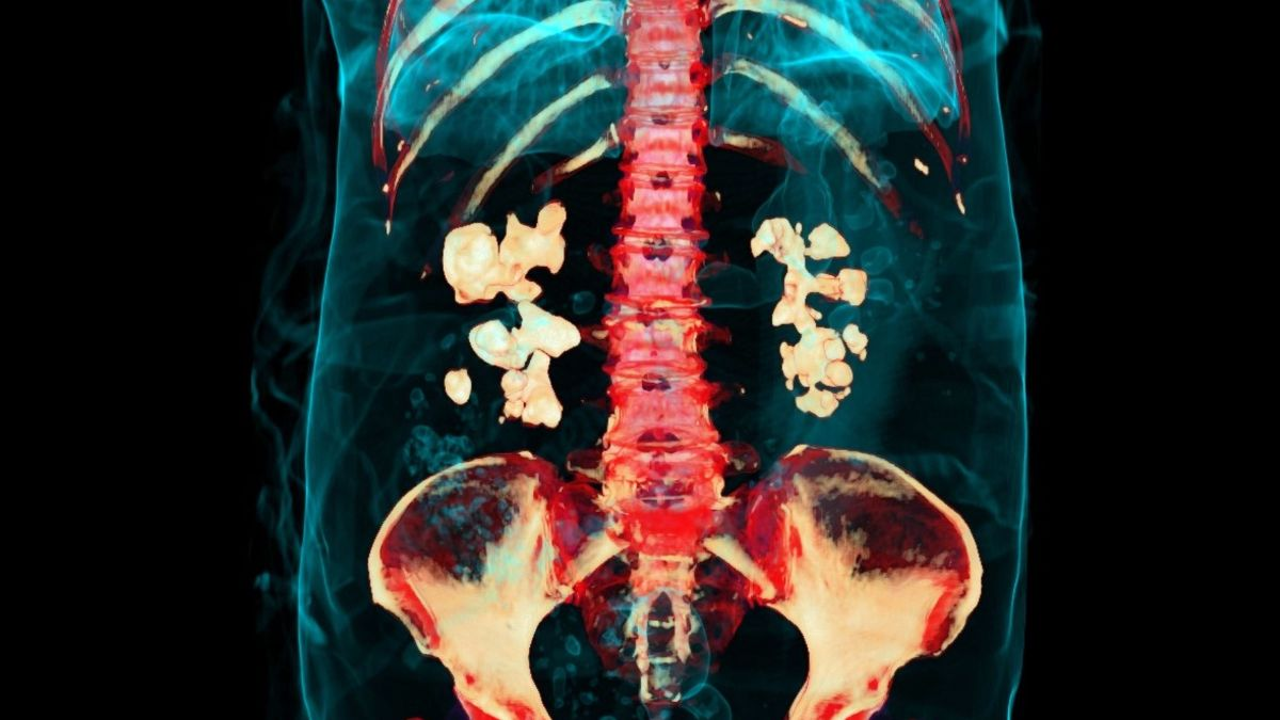
A study by the University of California Los Angeles has revealed that bacteria may play a significant role in the formation of the most common type of kidney stone, calcium oxalate kidney stones. These stones, accounting for nearly 80 percent of all cases, were previously thought to be made up of minerals crystallized from salts in urine. The study found live bacteria and biofilms embedded within the crystals that comprise the stones. This discovery challenges the assumption that these stones develop solely through chemical and physical processes. The discovery could lead to new therapeutic strategies targeting the microbial environment of kidney stones and explain why they are so common. The researchers suggest that kidney stones should be considered an "organic–inorganic biocomposite", where bacterial biofilts make up a key part of the kidney stone.
Related Articles
Bacteria Play Previously Unknown Role in Kidney Stones, Study Finds
A study reveals that bacteria and biofilms form a significant role in the formation of common kidney stones, challenging the traditional method of forming them through chemical and physical processes.

Watch Firefly Aerospace's Alpha rocket return to flight today after 10-month grounding
Firefly Aerospace's Alpha rocket will return to flight after a 10-month grounding, launching from California's "Stairway to Seven," to test its reliability and manufacturability.

This US Air Force Base Has The Most Fighter Jets In The Country
Luke Air Force Base in Arizona has the largest inventory of fighter jets in the United States, with 138 operational units.