Ancient Landscape Reveals Bones of Humans Who Lived 100,000 Years Ago
By Michelle Starr
Published on April 13, 2026.
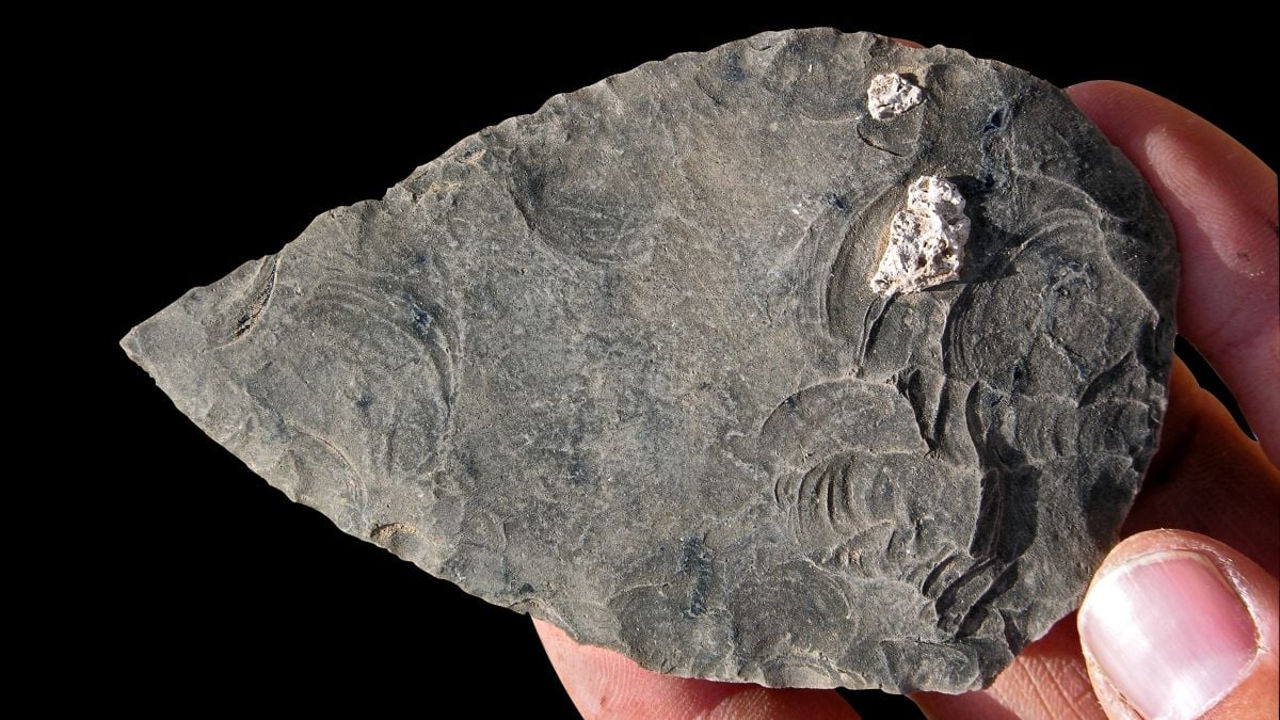
A massive archaeological excavation in Ethiopia's Afar Rift region has revealed the lives of humans who lived there 100,000 years ago. Thousands of stone artifacts and vertebrate remains, as well as sediments, suggest repeated visits by Homo sapiens in a wooded environment. The team led by archaeologist Yonas Beyene of the French Center for Ethiopian Studies in Ethiopia, led to the discovery of three partial partial human skeletons that survived the centuries. The remains indicate rapid burial, burning, and being ravaged by wild animals. The site, Halibee, is part of the Middle Awash study area in Ethiopia’s Afar rift region, is known for its richness and open-air location. Stone tools found at the site were left close to where they were dropped, providing a rare look at how early humans used the environment around them.
Related Articles

Dead or vanishing scientists tied to NASA, JPL, and Los Alamos: Glenn Beck’s take may surprise you
Glenn Beck dismisses conspiracy theories linking nine missing or dead scientists from NASA, JPL, and Los Alamos, emphasizing the mixed nature of such cases.

The coolest things at the 2026 Space Symposium
The 2026 Space Symposium showcased cutting-edge aerospace products like Titan, S.E.

Scoop: U.S. considers $20 billion cash-for-uranium deal with Iran
The U.S and Iran are negotiating a $20 billion cash-for-uranium deal, focusing on removing Iran's nuclear stockpile and addressing significant gaps in their negotiations.