Blood Tests Could Reveal Alzheimer's Risk Years Before Symptoms Appear
By David Nield
Published on April 21, 2026.
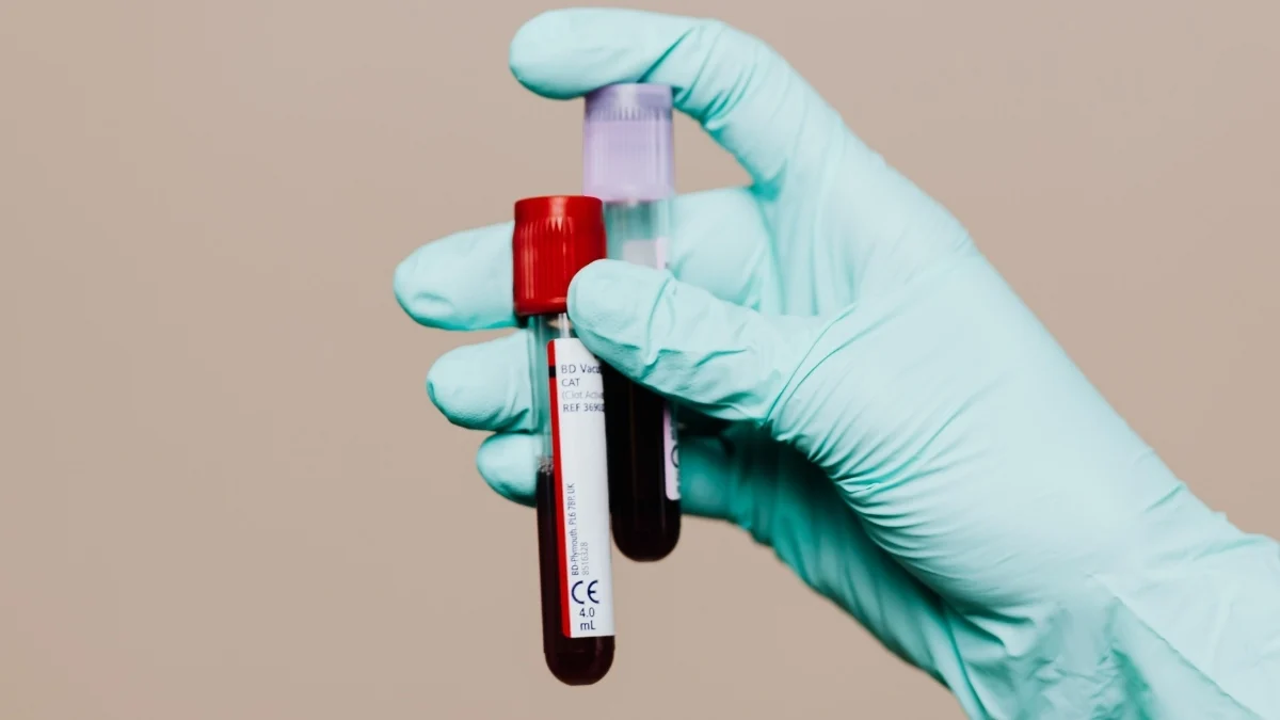
A new research by a team from Mass General Brigham in the US has found that a blood biomarker called pTau217 could provide an early warning for potentially dangerous accumulations of amyloid-beta and tau proteins in the brain. Currently, PET brain scans are used to identify high-risk Alzheimer's cases. The researchers recruited 317 participants, with ages ranging from 50 to 90 years old, and followed them for an average of eight years. The blood tests closely matched PET scans when it came to protein tangles and clumps, and in some cases, pT Tau217 predicted changes even before they showed on the brain scans. The study also found that high Tau217 levels were associated with future Alzheimer's pathology, while low Tau217 indicated a minimal risk of disease development. However, even if these tests accurately predict whether someone will develop accumulations, these may not necessarily progress to dementia.
Related Articles

Boy, 5, Went to Get Eye Glasses for School. An Eye Test Led to the Discovery of a Brain Tumor That Needed Chemotherapy
A 5-year-old boy from Cambridgeshire was diagnosed with a severe brain tumor after an eye test, requiring intensive chemotherapy and rehabilitation.

Farming for Millennia Has Done Something Strange to Human Noses
Farming for thousands of years may alter human noses and influence our biology, especially in Orang Asli and Senoi groups.

The eerie abandoned vehicles in Chernobyl's 'dead zone'
The Chernobyl disaster caused a massive radioactive fallout, leading to extensive vehicle clean-up, and became a tourist attraction in the late 1990s.