Your Smartwatch May Be Getting 6 Key Health Metrics Wrong
Published on April 21, 2026.
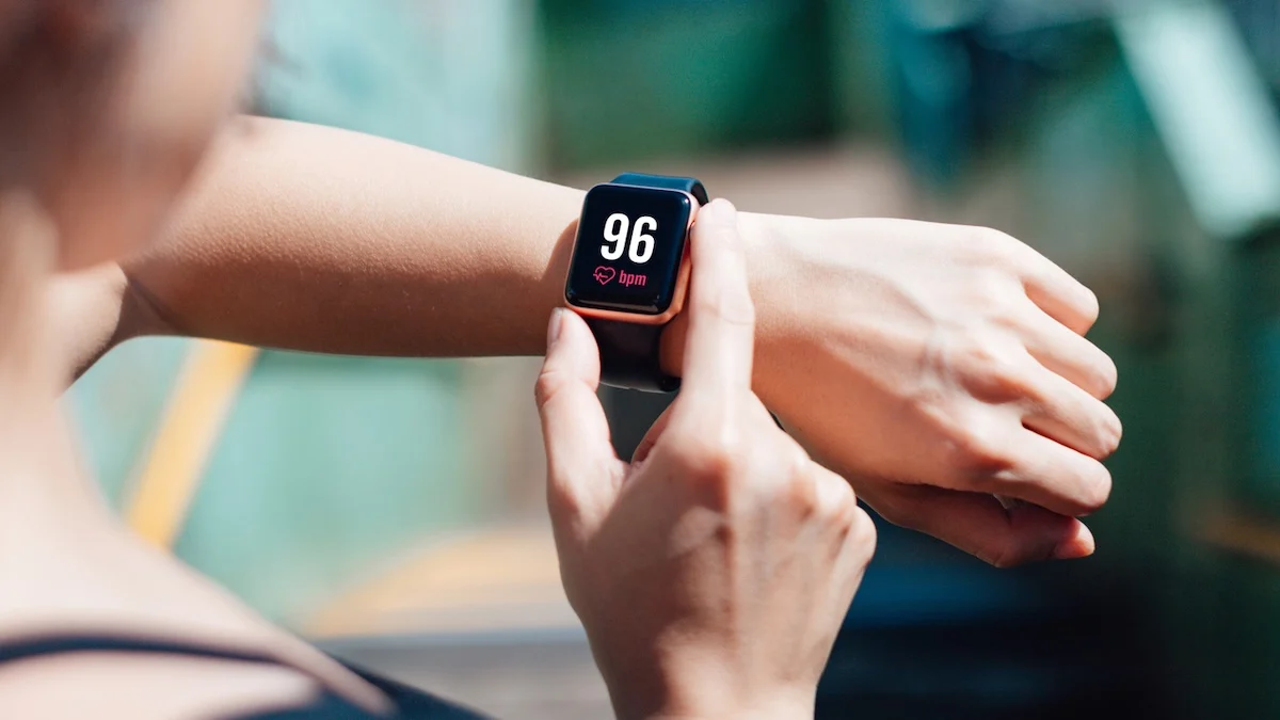
Smartwatches and fitness trackers are often not accurate, as they don't directly measure these key health metrics directly. Calorie tracking is a popular feature of smartwatches, but its accuracy can vary significantly. They can under- or overestimate energy expenditure (often expressed as calories burned) by over 20%. Errors can also vary between activities such as strength training, cycling, and high-intensity interval training. Smartwatches can also under-count steps by about 10% under normal exercise conditions, but this is still useful for tracking general activity levels. However, step counts can be less accurate due to the use of arm movement and tight adherence to the watch's heart rate. Most smartwatch users use heart rate variability and sleep quality to create a "recovery" score, which may not accurately reflect their recovery. Smartphones can also estimate sleep using movement and heart rate, but are less accurate at identifying sleep stages.
Related Articles

Aave Pitches Two Solutions to Resolve Kelp DAO Hack Dilemma
Aave offers two potential solutions to address bad debt caused by the Kelp DAO exploit, which could shift losses to Ethereum layer 2 networks amid safety concerns.

Researcher blows lid on series of strange rock corridors in Turkey, deepening Noah’s Ark mystery
A researcher's discoveries in Turkey could prove Noah’s Ark existed, with distinct tunnels and soil preserved in the soil, suggesting human involvement.
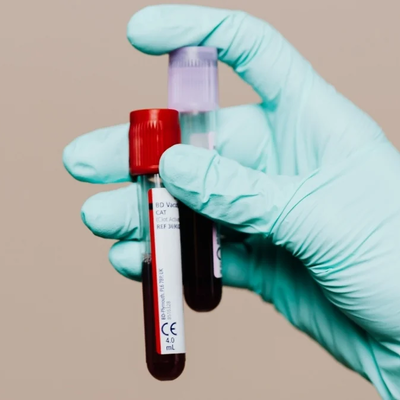
Blood Tests Could Reveal Alzheimer's Risk Years Before Symptoms Appear
A new blood test, pTau217, could predict early stages of Alzheimer's disease by detecting early signs of amyloid-beta and tau proteins in the brain, though its accuracy remains uncertain.