A Crew of Worms on the ISS Aims to Help Scientists Unlock the Secrets of Space Travel
By Passant Rabie
Published on April 15, 2026.
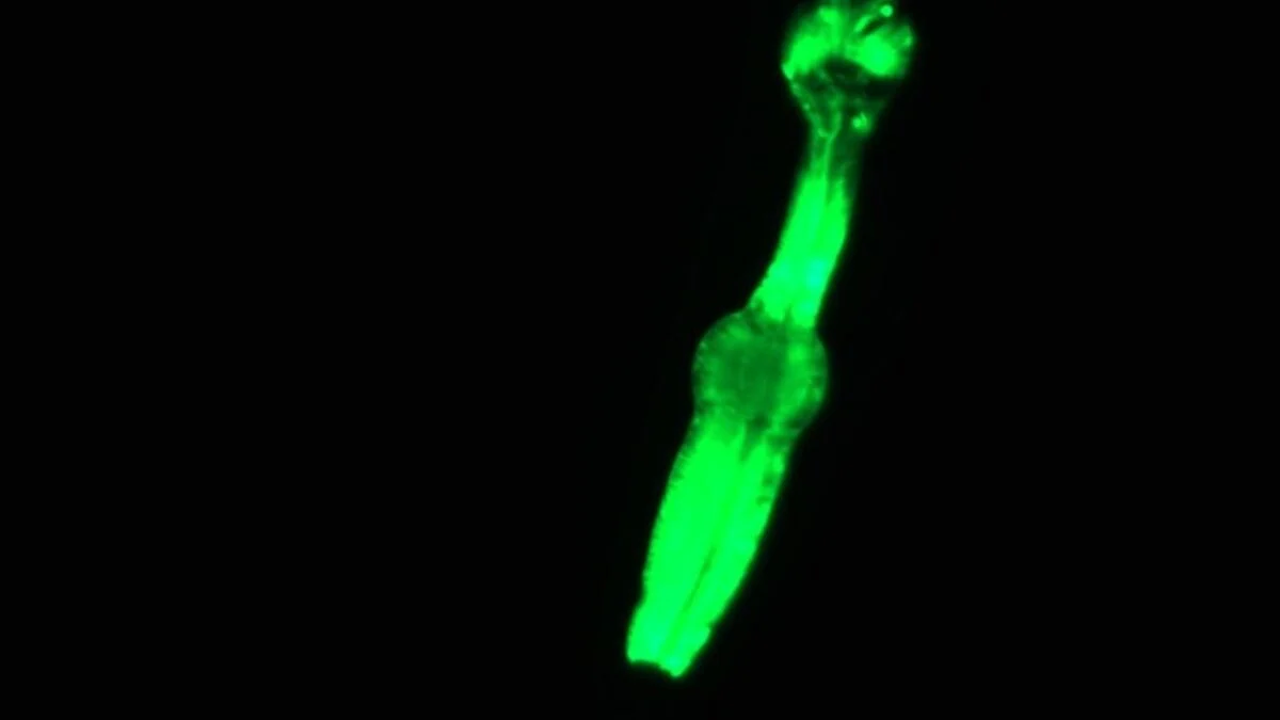
Scientists have sent microscopic worms to the International Space Station (ISS) in an effort to study human health during long-duration space travel. The experiment, led by the University of Exeter in England, is designed to study how living organisms respond to the harsh space environment. The worms are called C. elegans nematode worms, a tiny roundworm that measures around 1 millimeter in length and is fast-growing and genetically tractable. They will be placed in a mini lab called the Petri Pod and will spend around 15 weeks inside this environment while being exposed to zero-gravity and radiation of outer space. Researchers will monitor the worms’ health using miniaturized cameras to capture stills and time-lapse videos.
Related Articles

Dashcam captures meteor soaring over Corby
A driver spotted a large meteor flying above Corby, prompting a flurry of social media activity and official investigations.

Baby Elephant Proudly Shows Off His Balance Skills for Delighted Onlookers
Baby Asian elephant Jet, at two years old, showcased his balance skills at the St. Louis Zoo, delighting fans with a video showcasing his talents.

Arc Raiders studio contacted by crime scientist "intrigued by how players are interacting," dev says only 30% of players focus on PvP: "It kind of blew the whole extraction shooter open"
Arc Raiders developer Embark Studios reveals that most players focus on friendly interactions, significantly changing the extraction shooter's appeal and appeal, thanks to its extensive cooperation and proximity chat features.