The Civil Rights Movement showed us what unchecked surveillance looks like
By Demark Liggins
Published on April 26, 2026.
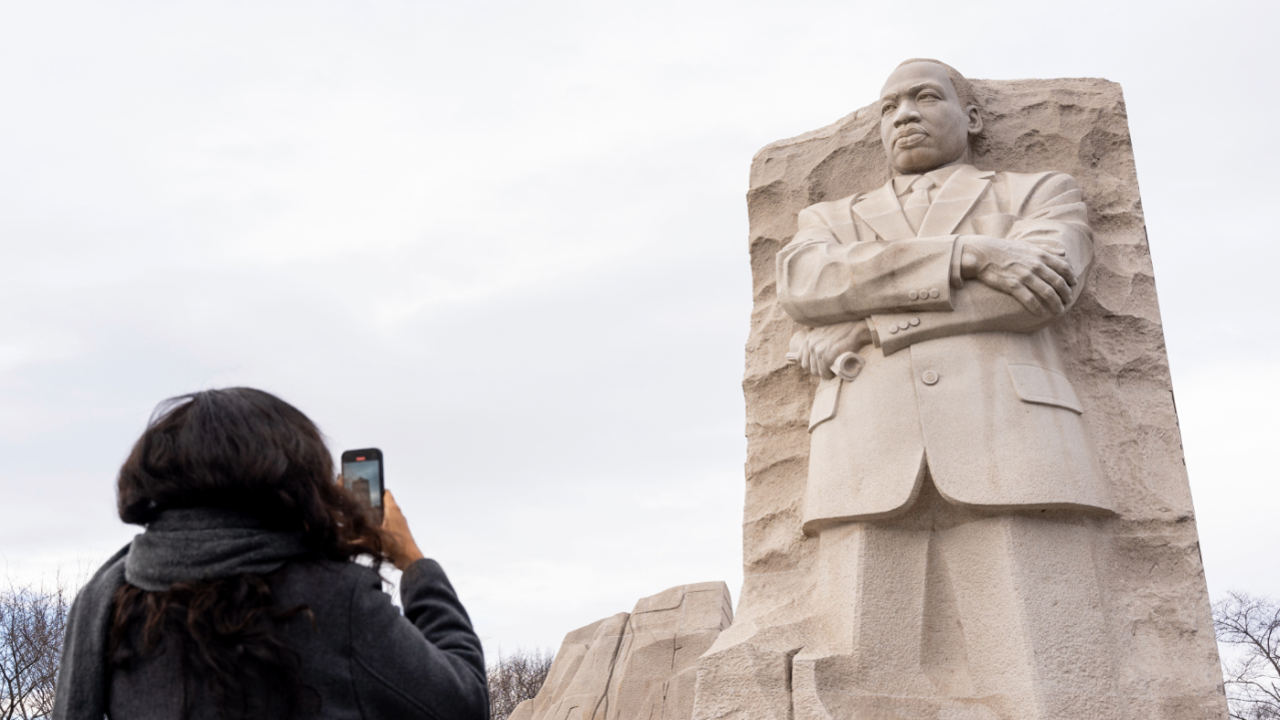
The Southern Christian Leadership Conference (SCLC) has warned that unchecked government surveillance is not just a myth, but a reality. The group, led by Dr. Martin Luther King Jr. and a group of Black pastors, blocked a government attempt to prematurely unseal sensitive information it had collected through its surveillance of their movement in November. This is a reminder of the impact of government surveillance on the civil rights movement, which included Dr. King’s home and offices. Advances in computing power, data aggregation and artificial intelligence have enabled the government to collect, store and analyze vast amounts of information at a scale previously unimaginable. The current debate over Section 702, which allows the government from abroad to collect communications of foreign individuals without a warrant, has raised serious questions about its use and safeguards. The conference argues that if the government seeks access to the communications of Americans collected under this authority, it should be required to obtain a warrant. It also suggests that Congress should close the loophole that allows agencies to purchase sensitive personal data from commercial brokers without judicial oversight.
Related Articles
Marion County sheriff's candidate criticized for 'disingenuous' mailer
A campaign mailer featuring potential Democratic endorsement candidates for Marion County sheriff falsely implies support for Kelvis Williams, sparking criticism and calls for transparency.
Fox News’ Brit Hume Makes A Very, Very Bad Prediction For Republicans Right Now
Fox News analyst Brit Hume predicts that Republicans will lose control of the House and Senate if elected today.
What a weakened Voting Rights Act means in today's America
The Supreme Court narrowed Section 2 of the Voting Rights Act, reflecting a rapidly changing American electorate and political tensions.