Surviving in a poisoned land: Chernobyl's wildlife is different, but not in the ways you might think
By Chris Baraniuk
Published on April 26, 2026.
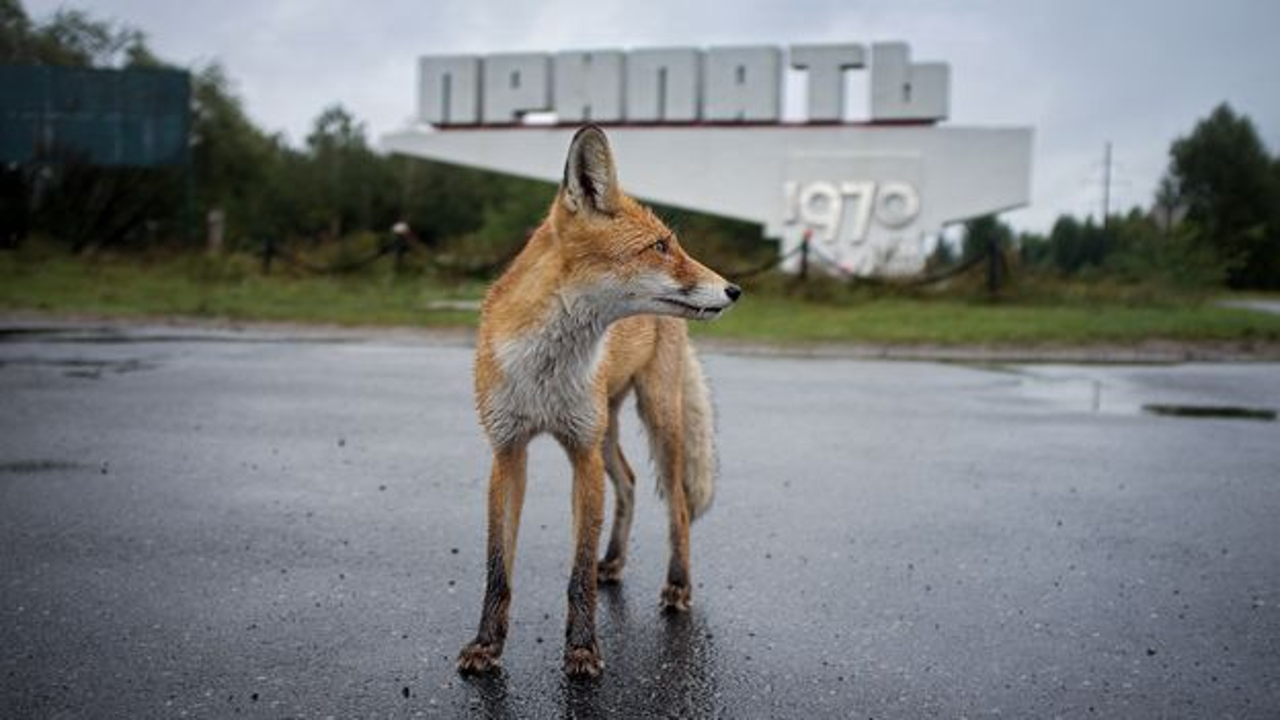
The 40th anniversary of the Chernobyl disaster has led to a significant change in wildlife living near the site of the devastated nuclear power plant. Scientists from Doñana Biological Station, a public research institute belonging to the Spanish National Research Council, have proposed that some frogs living near Chernobyl have darker skin due to higher levels of melanin in their bodies, which they believe could act as a protective barrier against radiation. However, there is no hard proof yet as to whether these darker frogs survived the aftermath of the nuclear disaster. Some scientists argue that the study was not comprehensive enough to distinguish frogs from those living outside the exclusion zone and that radiation levels have changed since the accident. Other scientists disagree with the study, arguing that the occurrence of melanisation does not directly correlate with current levels of radioactivity around the site. There are also ongoing debates about whether darker frogs evolved as an adaptation to radiation, while others argue that their skin's colour could protect them from radiation.
Related Articles
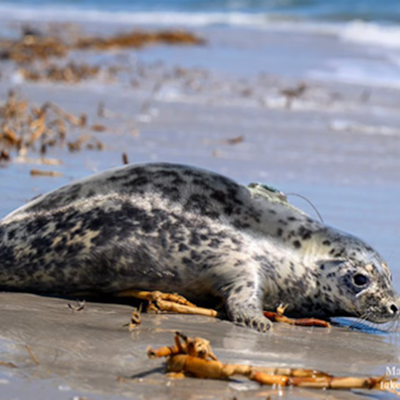
Rescued grey seal pup released into ocean after 8-week Jersey Shore rehab
A rescued grey seal pup, found stranded on Long Beach Island, was released back into the ocean after an eight-week rehabilitation and recovery.

15 expert-checked places to see the 2026 total solar eclipse in Spain, Iceland and Greenland
The 2026 total solar eclipse will pass across Spain, Iceland, and/Ospreys, offering stunning views from various viewpoints, but weather forecast information remains crucial.

Hubble revisits stunning Trifid Nebula after 30 years, and spots a growing jet of energy — Space photo of the week
Hubble revisits the Trifid Nebula, capturing a stunning new image featuring intense star-forming gases and massive stars, marking its 36th anniversary with stunning new images.