LIGO May Have Detected The First Primordial Black Hole, Scientists Say
By David Nield
Published on March 31, 2026.
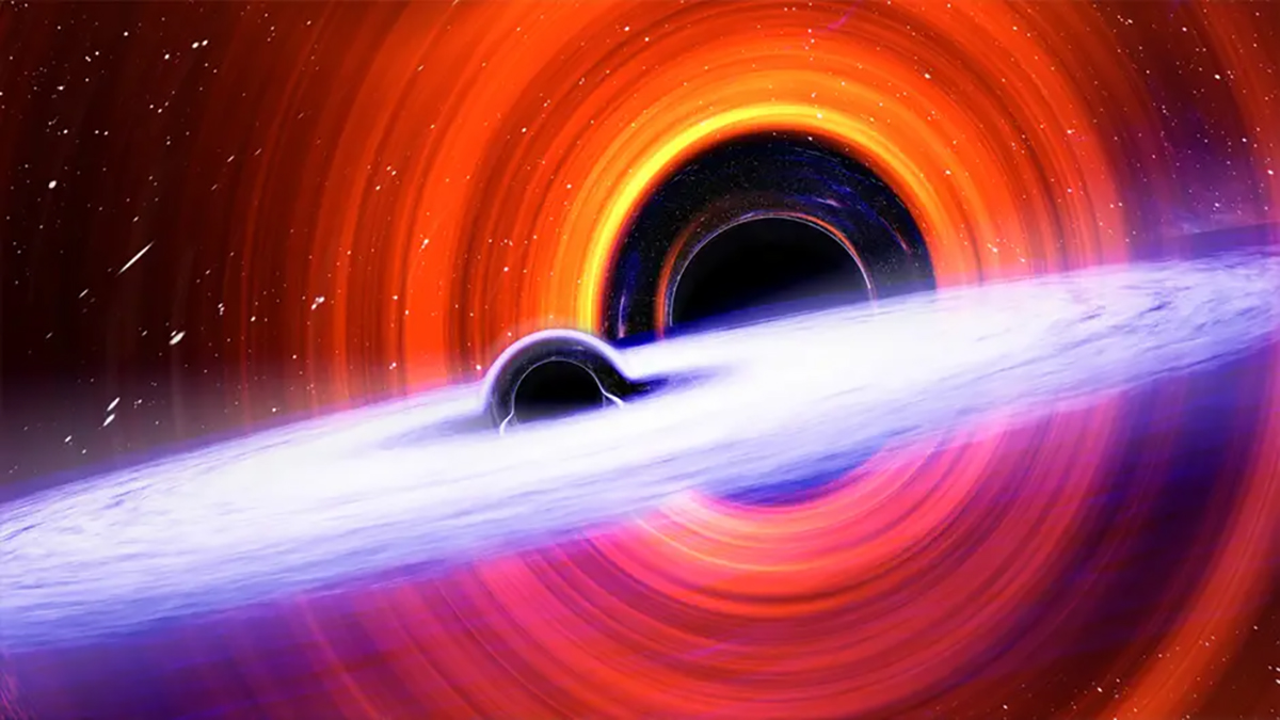
Astrophysicists from the University of Miami and the Laser Interferometer Gravitational-Wave Observatory (LIGO) may have detected the first primordial black hole (PBH), a type of black hole that could have existed in the earliest moments of the Universe. The LIGO detects gravitational waves triggered by collision between two black holes, which could potentially be caused by PBH. The researchers found another potential PBH using the LIFO site in Washington and Louisiana. They also ran calculations on the expected frequency of PBHs in space, which matched up with their data from LIGo since it first started detecting gravitational waves in 2015. If confirmed, PBH may be responsible for the majority of dark matter, which is currently estimated to make up 85 percent of the mass of the universe.
Related Articles

Hampstead Heath island becoming dedicated sanctuary for wildlife
A project to convert an island in Hampstead Heath into a wildlife sanctuary with extensive reedbeds and habitat has begun.

Universities become new frontline as the US-Israel war against Iran escalates
Iranian universities and scientific research centers have become the latest battlegrounds in the US-Israel war, with Israeli and Iranian attacks raising concerns about potential war crimes.
LIGO May Have Detected The First Primordial Black Hole, Scientists Say
Scientists believe LIGO may have detected the first primordial black hole, potentially accounting for up to 85% of the Universe's mass.