Scientists Discovered 700 Fossils That Rewrite What We Know About Life on Earth
By Darren Orf
Published on April 24, 2026.
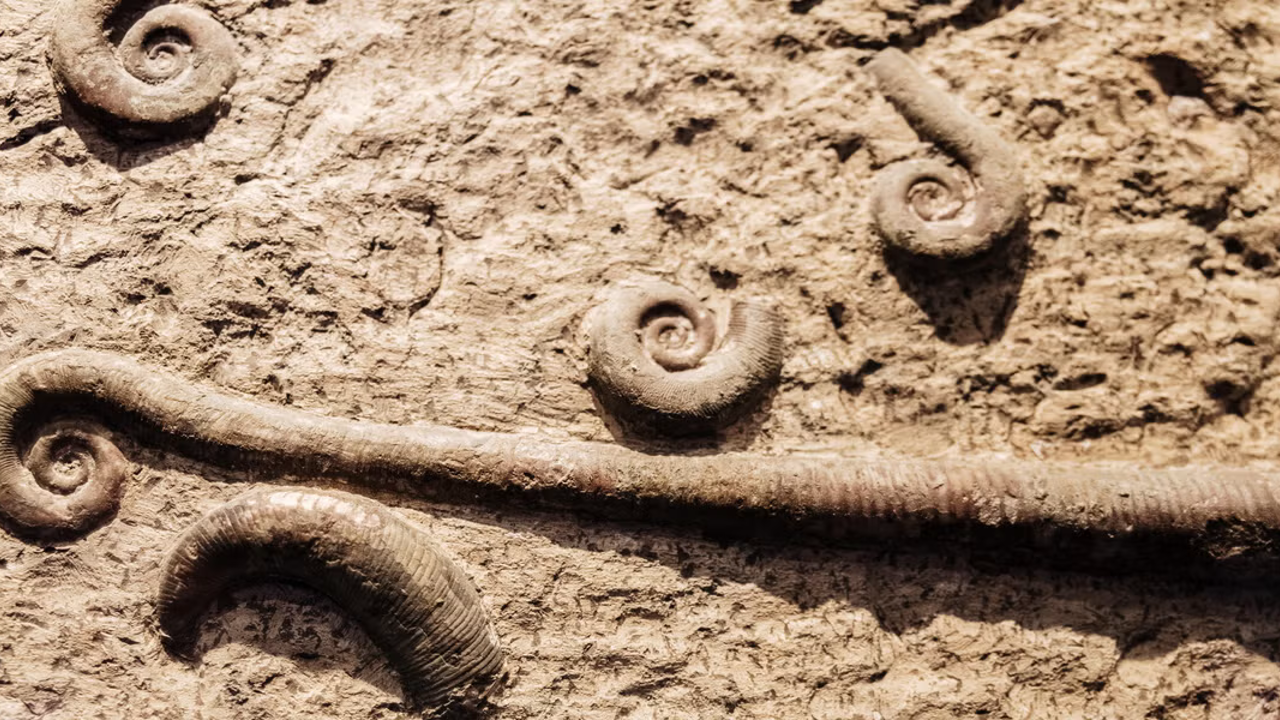
Scientists from Yunnan University in China have discovered 700 fossils at the Jiangchuan Biota, a site in southwest China that helps scientists understand the transition between the Precambrian supereon and the Phanerozoic. The fossils, which were discovered during the Cambrian Explosion, were found to be among chordates and bilaterians, the ancestors of all vertebrates, including humans. The discovery could help explain the origin of complex life in the fossil record, which may have been misrepresented due to missing evidence in fossil record. Most of the fossils are ancestors of modern invertebrates, but a few among them count as ancient ancestors of humans. This discovery closes a major gap in the earliest phases of animal diversification, with lead author Gaorong Li stating that many complex animals were present in the Ediacaran period, meaning they evolved earlier than previously demonstrated by fossil evidence.
Related Articles
Fresh rescue attempt for humpback whale stranded off German coast
Rescuers are attempting to free a humpback whale stranded in the Baltic Sea for weeks by straps, using AI to generate key information.
Why Researchers Are So Pumped About an Orangutan Crossing a Rope Bridge
A young Sumatran orangutan crossed a rope bridge built for human intervention, marking the first documented crossing of this endangered species.

UNT Dallas STEM building is transformative
The new $100 million UNT Dallas STEM building enhances student access to top-tier research facilities, ensuring homegrown talent and innovation for future generations, while addressing regional job shortages.