Here are the very rare exceptions to birthright citizenship in the US
By Max Rego
Published on April 1, 2026.
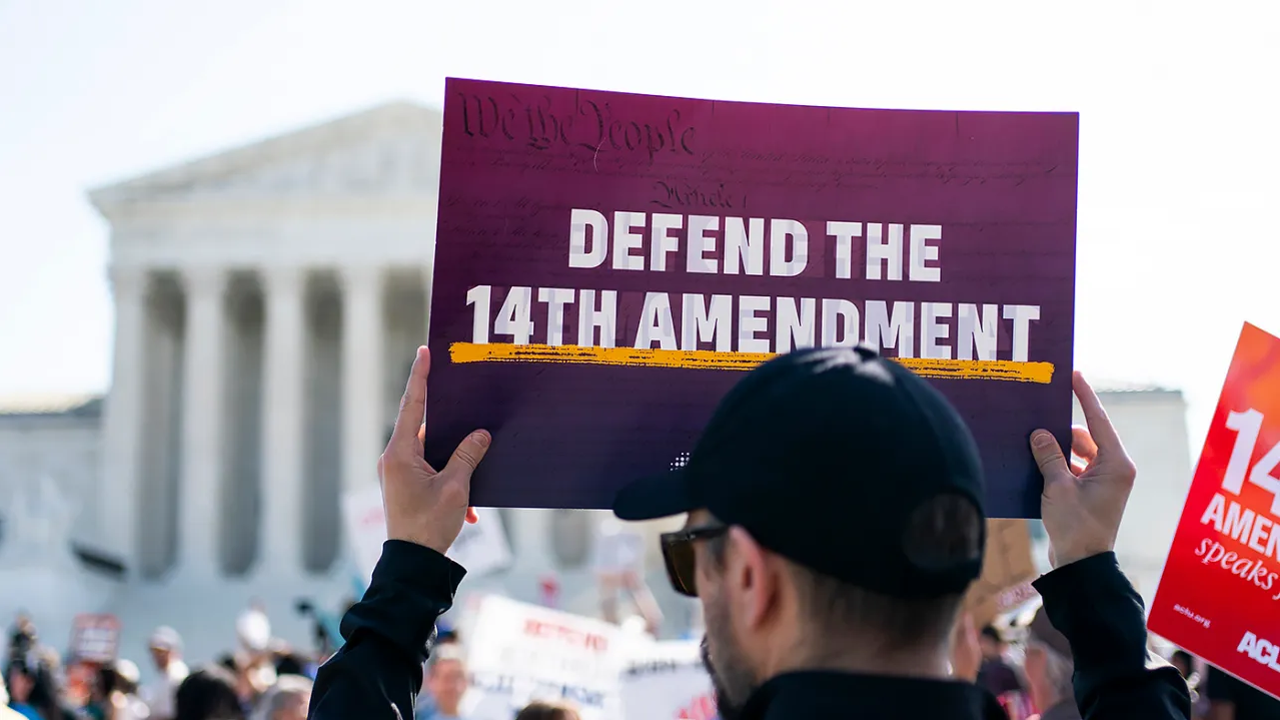
The Supreme Court heard arguments in a case regarding President Trump's executive order ending birthright citizenship, which has brought the 14th Amendment back into the legal spotlight. The amendment, ratified in 1868 amid Reconstruction, states that all persons born or naturalized in the US are citizens of the United States and subject to the jurisdiction of the state. However, the president’s executive order stated that the amendment has never been interpreted to extend citizenship universally to all born within the US and excludes individuals born on U.S. land that is occupied by a foreign army. Children born to foreign diplomats are not granted citizenship due to the principle of diplomatic immunity, which allows them to be considered lawful permanent residents from birth if they so choose. Many Native Americans, as members of their respective tribal nations, were not granted birthright Citizenship for over 50 years after the passage of the 14st Amendment.
Related Articles
Republicans announce plan to end record-long DHS shutdown
House Speaker Mike Johnson and Senate Majority Leader John Thune plan to fund the Department of Homeland Security excluding ICE and CBP, despite House Republicans' opposition.

Ridgefield BOE Panel Advances Policy Overhaul, Recommends New Safety Rule
The Ridgefield BOE panel recommended repealing several older policies and recommended replacing them with a new safety policy based on current practices.
Mike Johnson Caves, Agrees To Pass Shutdown-Ending Bill He Called A 'Joke' Days Before
Republican House Speaker Mike Johnson agreed to pass a bill to end the partial shutdown by funding the Department of Homeland Security except its immigration enforcement agencies.