Ancient Korean society practiced human sacrifice and high inbreeding, researchers find
By Kristina Killgrove
Published on April 9, 2026.
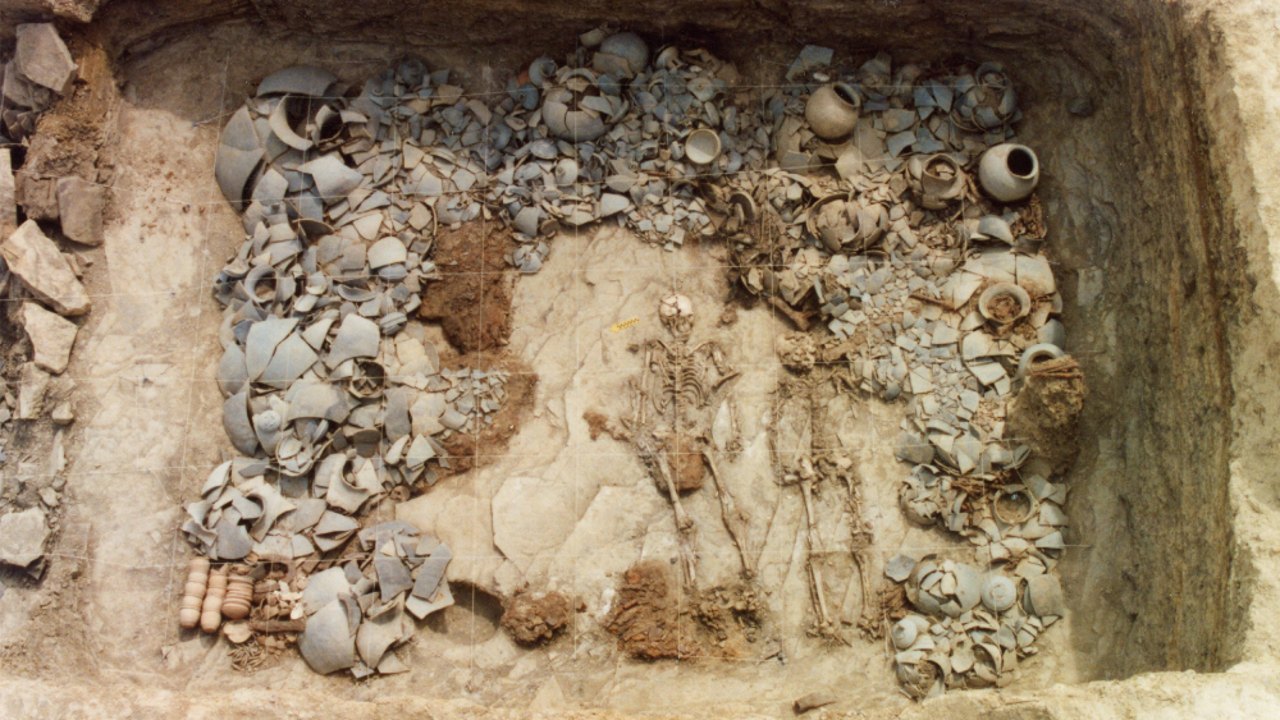
A study by international researchers has found that a Korean society, about 1,500 years ago, used human sacrifice to honor local royalty in what is now South Korea. The study, which also revealed a dense kinship system focused on women and their descendants, investigated 78 skeletons from the Imdang-Joyeong burial complex in Gyeongsan, located in the southeast region of the Korean Peninsula. The tombs were constructed between the fourth and sixth centuries during the Three Kingdoms period, during which the society favored "consanguineous" marriage between related individuals. The researchers found 11 pairs of people who were first-degree relatives, 23 pairs of second-degree cousins, and five individuals whose parents were closely related. The findings could help explain how the practice of human sacrifice on entire families raises questions about institutionalized violence, slavery and social mobility in the 1,600-year-old Korean kingdom.
Related Articles

Grizzly Bear Relocated Near Yellowstone Gives Birth to Her First Cubs Since Her Release in Conservation Milestone
A female grizzly bear relocated to the Greater Yellowstone Ecosystem in 2024 gave birth to two cubs, indicating long-term survival and genetic diversity.

The South Philly Side Of The Moon: Artemis II Astronaut Is A Phillies Fan
Astronaut Christina Koch, a Philadelphia-born, Philadelphia-based fan, is a notable addition to the Artemis II mission, attending a Phillies playoff win in Houston during training.
Valley natives work on NASA’s Artemis II moon mission
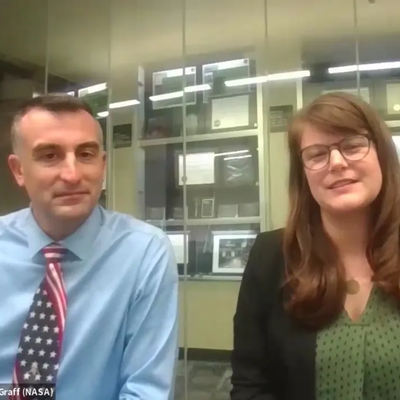
Two Ohio Valley natives, Marie Henderson and Trevor Graff, worked for NASA's Artemis II moon mission, highlighting integration between science and operations.